| 1 |
|
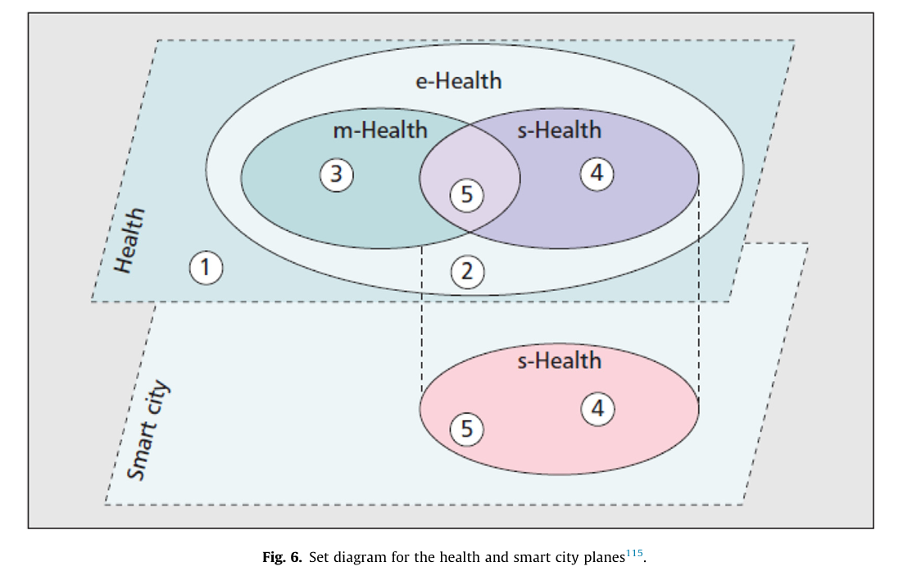
s-Health primarily focuses on traditional medical treatment rather than technological integration. |
|
S-health focuses on traditional medical treatment. |
|
7 |
-.50
-.25
+.25
เต็ม
0
-35%
+30%
+35%
|
| 2 |
|
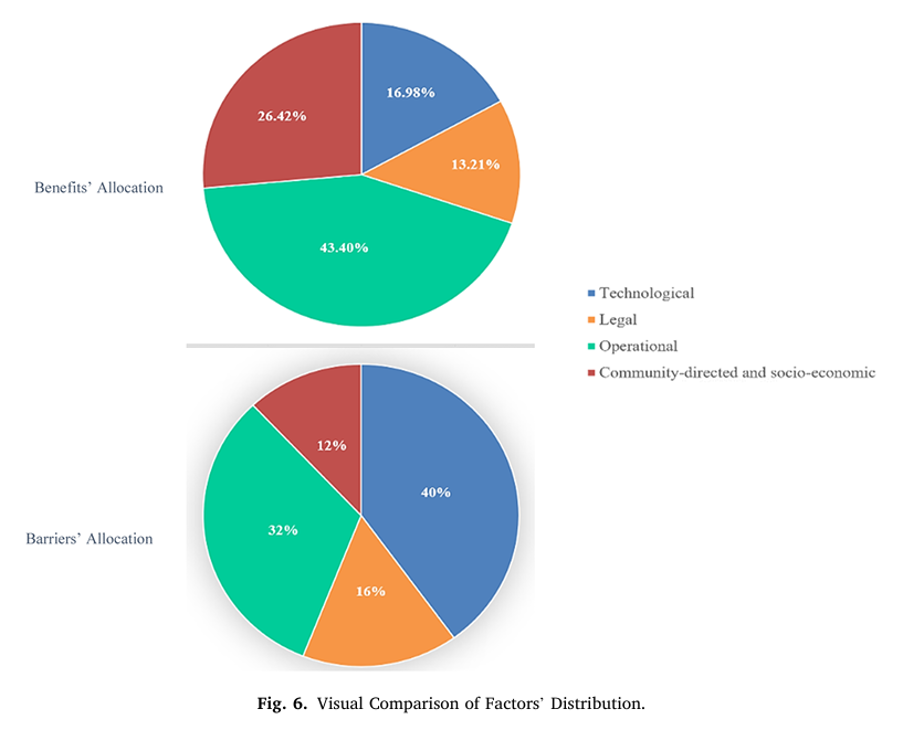
Technological factors provide substantial benefits but simultaneously present the most significant barriers to implementation. |
|
They provide substantial benefits. |
|
7 |
-.50
-.25
+.25
เต็ม
0
-35%
+30%
+35%
|
| 3 |
How does the SHC-BMC improve pandemic preparedness compared to traditional smart city models?
|
By focusing mainly on digital entertainment services |
|
They improve pandemic preparedness by focusing mainly on digital entertainment services. |
|
7 |
-.50
-.25
+.25
เต็ม
0
-35%
+30%
+35%
|
| 4 |
Which decision-making approach best aligns with the principle of co-creation in SHC-BMC?
|
Automation of public services without consultation |
|
|
|
7 |
-.50
-.25
+.25
เต็ม
0
-35%
+30%
+35%
|
| 5 |
What analytical insight does the SHC-BMC offer regarding data as a strategic asset?
|
Data should be restricted to private corporations only. |
|
|
|
7 |
-.50
-.25
+.25
เต็ม
0
-35%
+30%
+35%
|
| 6 |
Which element of the SHC-BMC ensures long-term financial and public health sustainability?
|
Reduction in stakeholder numbers |
|
|
|
7 |
-.50
-.25
+.25
เต็ม
0
-35%
+30%
+35%
|
| 7 |
How does ICT integration transform urban resilience in SHC-BMC?
|
It focuses on entertainment technology investment. |
|
|
|
7 |
-.50
-.25
+.25
เต็ม
0
-35%
+30%
+35%
|
| 8 |
If a city government wants to use SHC-BMC for policy design, what should be its first strategic action?
|
Privatize urban health services. |
|
|
|
7 |
-.50
-.25
+.25
เต็ม
0
-35%
+30%
+35%
|
| 9 |
How does the SHC-BMC differ from the traditional BMC in its value orientation?
|
It integrates social, environmental, and health values into value creation. |
|
|
|
7 |
-.50
-.25
+.25
เต็ม
0
-35%
+30%
+35%
|
| 10 |
If a city faces low citizen trust in data sharing, which SHC-BMC component should be reinforced?
|
Cost Structure |
|
|
|
7 |
-.50
-.25
+.25
เต็ม
0
-35%
+30%
+35%
|
| 11 |
What is the strategic impact of linking Smart City and Healthy City concepts under one framework?
|
It reduces policy integration across departments. |
|
|
|
7 |
-.50
-.25
+.25
เต็ม
0
-35%
+30%
+35%
|
| 12 |
Why did researchers standardize barrier and benefit terminology across 51 studies?
|
To focus only on financial benefits |
|
|
|
7 |
-.50
-.25
+.25
เต็ม
0
-35%
+30%
+35%
|
| 13 |
Which factor best represents a strategic benefit of data-driven CBBMs?
|
Interactivity and interconnectedness among stakeholders |
|
|
|
7 |
-.50
-.25
+.25
เต็ม
0
-35%
+30%
+35%
|
| 14 |
If a CBBM project faces high cost of implementation, which solution is most aligned with study findings?
|
Seek collaborative investment and shared infrastructure |
|
|
|
7 |
-.50
-.25
+.25
เต็ม
0
-35%
+30%
+35%
|
| 15 |
Which risk is most difficult to manage in long-term data-driven collaborations?
|
Short-term data loss |
|
|
|
7 |
-.50
-.25
+.25
เต็ม
0
-35%
+30%
+35%
|
| 16 |
Which approach most effectively addresses organizational inertia in CBBMs?
|
Reducing cross-functional collaboration |
|
|
|
7 |
-.50
-.25
+.25
เต็ม
0
-35%
+30%
+35%
|
| 17 |
Why is the forestry sector less adaptive than agriculture to CBBMs?
|
Lack of community interest |
|
|
|
7 |
-.50
-.25
+.25
เต็ม
0
-35%
+30%
+35%
|
| 18 |
How does cultural adaptability support the scaling of CBBMs across regions?
|
By centralizing all operations under one standard |
|
|
|
7 |
-.50
-.25
+.25
เต็ม
0
-35%
+30%
+35%
|
| 19 |
Which analytical indicator best measures the success of data-driven CBBMs over time?
|
Frequency of data transactions only |
|
|
|
7 |
-.50
-.25
+.25
เต็ม
0
-35%
+30%
+35%
|
| 20 |
Which integrated strategy would most likely improve data ecosystem resilience in CBBMs?
|
Avoiding community involvement |
|
|
|
7 |
-.50
-.25
+.25
เต็ม
0
-35%
+30%
+35%
|