| 1 |
|
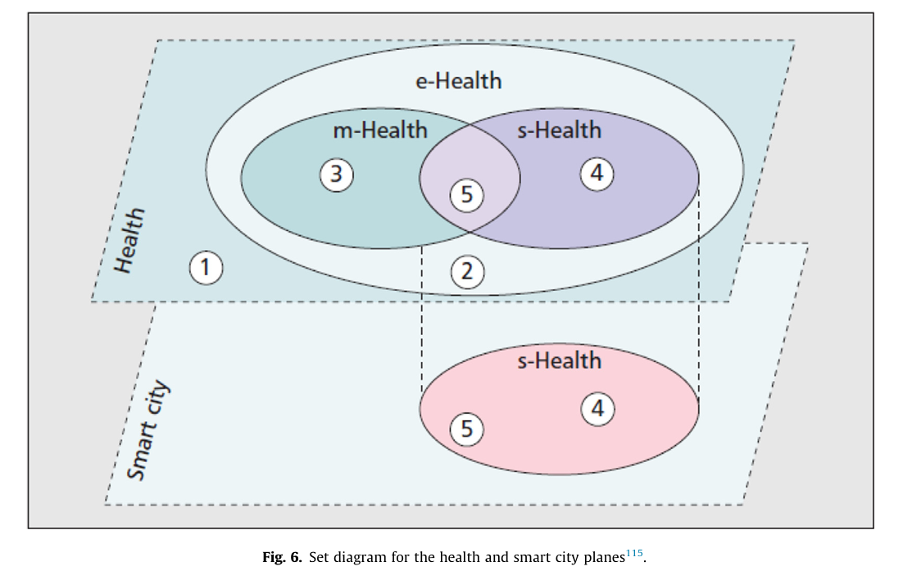
2. s-Health integrates health services within Smart City infrastructures, aligning social innovation with technology-driven community well-being. |
|
Smart-health is the provision of health services using awareness networks and detection tools in smart cities. |
Diagram for the health and smart city planes. |
7 |
-.50
-.25
+.25
เต็ม
0
-35%
+30%
+35%
|
| 2 |
|
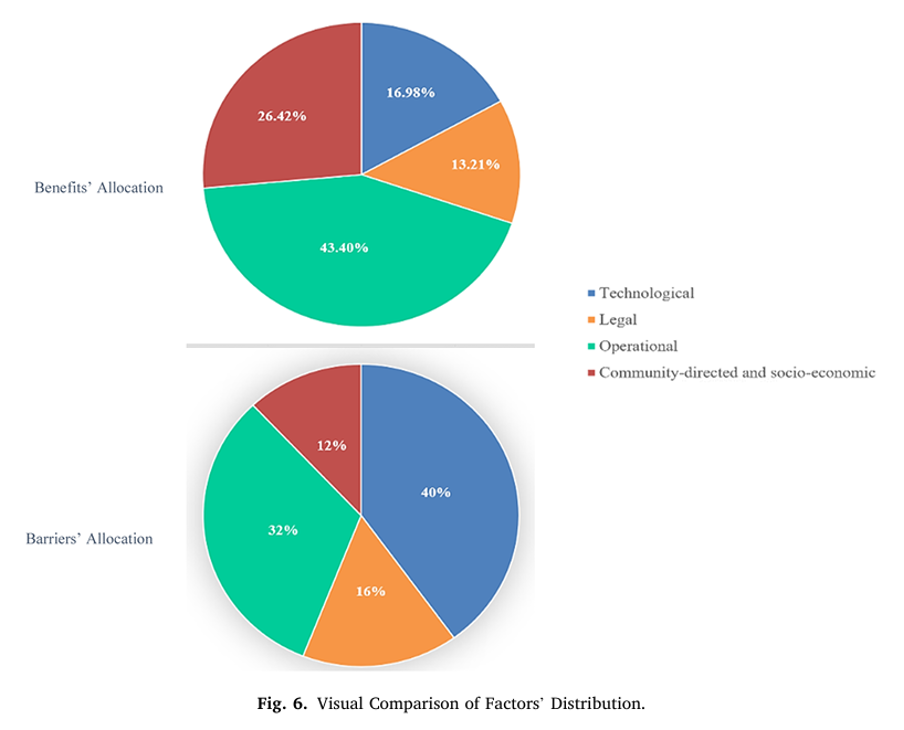
2. Technological factors provide substantial benefits but simultaneously present the most significant barriers to implementation. |
|
Technological factors is number 1 barriers’ allocation and have almost last in term of benefits. |
Based on the visual comparison of Factor’s distribution. |
7 |
-.50
-.25
+.25
เต็ม
0
-35%
+30%
+35%
|
| 3 |
How does the SHC-BMC improve pandemic preparedness compared to traditional smart city models?
|
2. By adding health-centric preventive and therapeutic elements |
|
Because adding health and therapeutic elements help dealing with health problem or crisis. |
Based on table of SHC-BMC of Jakarta, Indonesia: added preventive measures and therapeutic urbanism. |
7 |
-.50
-.25
+.25
เต็ม
0
-35%
+30%
+35%
|
| 4 |
Which decision-making approach best aligns with the principle of co-creation in SHC-BMC?
|
3. Collaborative engagement among citizens and stakeholders |
|
Co-creation is active collaboration between government, communities, and other stakeholders. It promotes joint decision-making in designing services and urban solutions. |
Sustainable cities: Incorporation of co-creation. |
7 |
-.50
-.25
+.25
เต็ม
0
-35%
+30%
+35%
|
| 5 |
What analytical insight does the SHC-BMC offer regarding data as a strategic asset?
|
3. Data enable decision-making and service enhancement across the ecosystem. |
|
The data in SHC-BMC is used to guide decisions with evidence, improve city services and public health, and enable stakeholders to work together and innovate effectively. |
Data as a Strategic Asset (SHC-BMC): Data are treated as strategic assets that enable innovation and improve service delivery. |
7 |
-.50
-.25
+.25
เต็ม
0
-35%
+30%
+35%
|
| 6 |
Which element of the SHC-BMC ensures long-term financial and public health sustainability?
|
2. Financial sustainability integrated with public health objectives |
|
The city can use money wisely, keep programs running, and support both the economy and people’s health. |
SHC-BMC: long-term financial & public health sustainability. |
7 |
-.50
-.25
+.25
เต็ม
0
-35%
+30%
+35%
|
| 7 |
How does ICT integration transform urban resilience in SHC-BMC?
|
2. It strengthens public health surveillance and data-driven interventions. |
|
It make data-driven decisions that improve urban resilience and community well-being, and monitor health trends in real time. |
ICT = Information and Communication Technology : The vast array of technological tool, systems for information management and communication. |
7 |
-.50
-.25
+.25
เต็ม
0
-35%
+30%
+35%
|
| 8 |
If a city government wants to use SHC-BMC for policy design, what should be its first strategic action?
|
1. Define stakeholder roles and data governance mechanisms. |
|
It is to clarify who is responsible for what and how data will be managed and shared. |
SHC-BMC for policy design : the first strategic action is to define stakeholder roles and data governance mechanisms. |
7 |
-.50
-.25
+.25
เต็ม
0
-35%
+30%
+35%
|
| 9 |
How does the SHC-BMC differ from the traditional BMC in its value orientation?
|
2. It integrates social, environmental, and health values into value creation. |
|
It aligns urban planning with sustainable and inclusive outcomes rather than just economic returns. |
SHC-BMC adds social, environmental, and health goals to the traditional BMC, so it measures public value as well as profit. |
7 |
-.50
-.25
+.25
เต็ม
0
-35%
+30%
+35%
|
| 10 |
If a city faces low citizen trust in data sharing, which SHC-BMC component should be reinforced?
|
3. Customer Relationships and Stakeholder Engagement |
|
The city should actively involve citizens and stakeholders, share information openly, and maintain clear communication so people trust how their data is used and are willing to participate. |
co-creation theory: emphasizes that value is created collaboratively with stakeholders rather than delivered top-down. |
7 |
-.50
-.25
+.25
เต็ม
0
-35%
+30%
+35%
|
| 11 |
What is the strategic impact of linking Smart City and Healthy City concepts under one framework?
|
1. It creates synergy between technological innovation and public well-being. |
|
Using technology in the city to improve health and well-being while making the city sustainable and focused on citizens’ needs. |
SHC-BMC framework. |
7 |
-.50
-.25
+.25
เต็ม
0
-35%
+30%
+35%
|
| 12 |
Why did researchers standardize barrier and benefit terminology across 51 studies?
|
2. To facilitate comparative analysis and reduce semantic ambiguity |
|
researchers used the same terms for barriers and benefits so all 51 studies could be compared easily without confusion from different wording, ensuring the findings are clear and reliable. |
Standardized barrier and benefit terminology to enable clear, comparable, and reliable analysis across multiple studies. |
7 |
-.50
-.25
+.25
เต็ม
0
-35%
+30%
+35%
|
| 13 |
Which factor best represents a strategic benefit of data-driven CBBMs?
|
2. Interactivity and interconnectedness among stakeholders |
|
It help stakeholders work together, share knowledge, and coordinate actions, which improves sustainability, innovation, and efficiency across the system. |
Table of data-driven CBBMs benefits and barriers. |
7 |
-.50
-.25
+.25
เต็ม
0
-35%
+30%
+35%
|
| 14 |
If a CBBM project faces high cost of implementation, which solution is most aligned with study findings?
|
2. Seek collaborative investment and shared infrastructure |
|
It can distribute expenses, reduce individual risk, and support long-term sustainability. |
Typology of Circular Economy Business Model Patterns, CBBMS : High cost of implementation. |
7 |
-.50
-.25
+.25
เต็ม
0
-35%
+30%
+35%
|
| 15 |
Which risk is most difficult to manage in long-term data-driven collaborations?
|
2. Dependence on long-term partnerships and maintenance stability |
|
Changes in partner priorities, resources can disrupt project and it is difficult to maintain consistent operations and outcomes over time. |
Data-driven collaborations: challenges in maintaining long-term data-driven collaborations. |
7 |
-.50
-.25
+.25
เต็ม
0
-35%
+30%
+35%
|
| 16 |
Which approach most effectively addresses organizational inertia in CBBMs?
|
1. Leadership training and change management initiatives |
|
Because by training leaders and managing change, organizations can overcome resistance, embrace new methods, and implement innovative practices successfully. |
Organizational inertia: occurs when existing routines, culture, or structures resist change. |
7 |
-.50
-.25
+.25
เต็ม
0
-35%
+30%
+35%
|
| 17 |
Why is the forestry sector less adaptive than agriculture to CBBMs?
|
2. Long production cycles and high ecological uncertainty |
|
Because long tree growth cycles and unpredictable forest ecosystems make planning, monitoring, and adjusting sustainable practices much harder than in agriculture. |
Data-driven CBBMS in agriculture VS forestry. |
7 |
-.50
-.25
+.25
เต็ม
0
-35%
+30%
+35%
|
| 18 |
How does cultural adaptability support the scaling of CBBMs across regions?
|
2. By aligning business practices with diverse regional values |
|
It allows CBBMs to respect local norms, values, and practices, making it easier to scale projects across different regions. |
CBBMS : cultural adaptability = adapt to local cultures and values, ensuring the model fits each community. |
7 |
-.50
-.25
+.25
เต็ม
0
-35%
+30%
+35%
|
| 19 |
Which analytical indicator best measures the success of data-driven CBBMs over time?
|
3. Monitoring and evaluation metrics for impact and performance |
|
It is best measured by ongoing monitoring and evaluation, which tracks Environmental, social, and economic impacts and effectiveness of stakeholder collaboration. |
Success in implementing data-driven CBBMs. |
7 |
-.50
-.25
+.25
เต็ม
0
-35%
+30%
+35%
|
| 20 |
Which integrated strategy would most likely improve data ecosystem resilience in CBBMs?
|
2. Establishing open data platforms with shared governance |
|
Sharing and managing data together on open platforms makes the system stronger, more flexible, and better at supporting decisions and innovation. |
When stakeholders share and manage data together, the system becomes stronger, more flexible, and better at adapting to changes. |
7 |
-.50
-.25
+.25
เต็ม
0
-35%
+30%
+35%
|