| 1 |
|
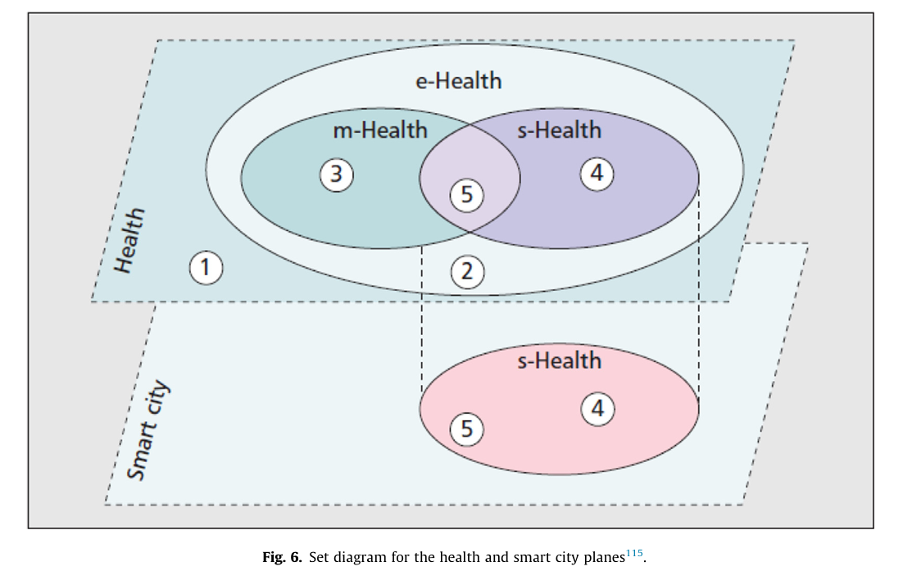
2. s-Health integrates health services within Smart City infrastructures, aligning social innovation with technology-driven community well-being. |
|
s-Health is a key component of Smart and Healthy City frameworks, the diagram show it overlapping both health and smart city. |
It shows the combination of smart and healthy city. |
7 |
-.50
-.25
+.25
เต็ม
0
-35%
+30%
+35%
|
| 2 |
|
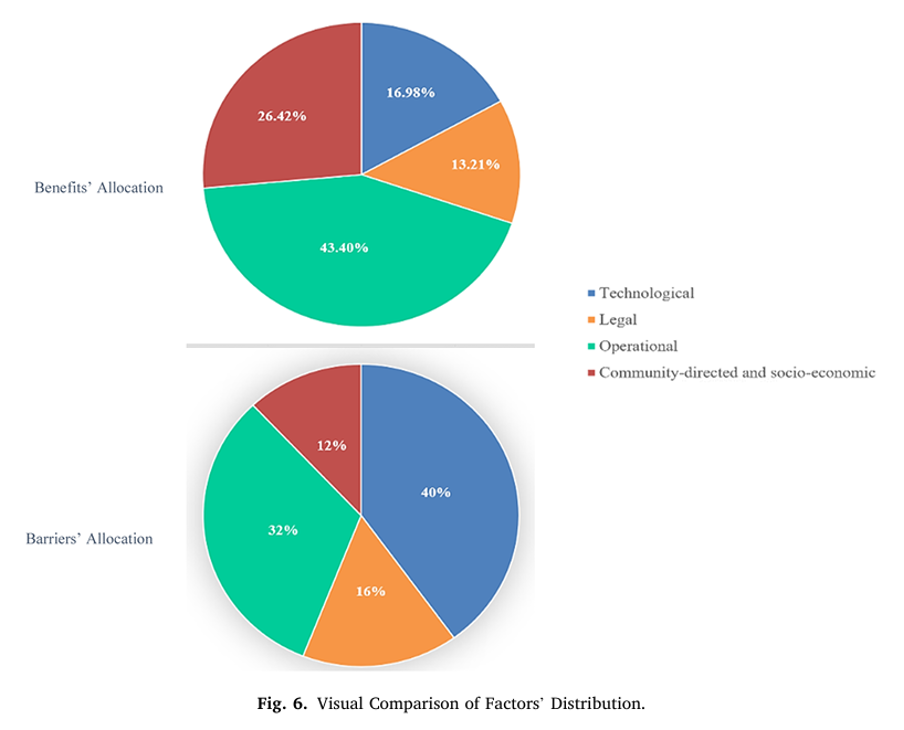
2. Technological factors provide substantial benefits but simultaneously present the most significant barriers to implementation. |
|
The chart clearly shows Technological has the shortest bars for both Benefits and Barriers. |
|
7 |
-.50
-.25
+.25
เต็ม
0
-35%
+30%
+35%
|
| 3 |
How does the SHC-BMC improve pandemic preparedness compared to traditional smart city models?
|
2. By adding health-centric preventive and therapeutic elements |
|
CBBMs emphasise on people’s involvement, collective ownership, and mutual benefits. |
Base on 1st and second sources. |
7 |
-.50
-.25
+.25
เต็ม
0
-35%
+30%
+35%
|
| 4 |
Which decision-making approach best aligns with the principle of co-creation in SHC-BMC?
|
3. Collaborative engagement among citizens and stakeholders |
|
BMC is based on collaborative engagements among all levels of stakeholders. |
Source 1, 2 |
7 |
-.50
-.25
+.25
เต็ม
0
-35%
+30%
+35%
|
| 5 |
What analytical insight does the SHC-BMC offer regarding data as a strategic asset?
|
3. Data enable decision-making and service enhancement across the ecosystem. |
|
It views data as a resource that drives efficiency and strategic outcomes in our ecosystem. |
|
7 |
-.50
-.25
+.25
เต็ม
0
-35%
+30%
+35%
|
| 6 |
Which element of the SHC-BMC ensures long-term financial and public health sustainability?
|
2. Financial sustainability integrated with public health objectives |
|
It was designed to integrate social, environmental, and economic goals, mirroring the necessary structure of a healthy city model. |
|
7 |
-.50
-.25
+.25
เต็ม
0
-35%
+30%
+35%
|
| 7 |
How does ICT integration transform urban resilience in SHC-BMC?
|
2. It strengthens public health surveillance and data-driven interventions. |
|
It enhances efficiency, collaboration, and strategic decision making. |
It will improve quality of data and supports long term reliability. |
7 |
-.50
-.25
+.25
เต็ม
0
-35%
+30%
+35%
|
| 8 |
If a city government wants to use SHC-BMC for policy design, what should be its first strategic action?
|
1. Define stakeholder roles and data governance mechanisms. |
|
Establishing a clear governance and roles is the necessary steps before implementation will be more beneficial. |
This gives the business to share responsibility more clearly and democratised the roles. |
7 |
-.50
-.25
+.25
เต็ม
0
-35%
+30%
+35%
|
| 9 |
How does the SHC-BMC differ from the traditional BMC in its value orientation?
|
2. It integrates social, environmental, and health values into value creation. |
|
|
|
7 |
-.50
-.25
+.25
เต็ม
0
-35%
+30%
+35%
|
| 10 |
If a city faces low citizen trust in data sharing, which SHC-BMC component should be reinforced?
|
3. Customer Relationships and Stakeholder Engagement |
|
CBBMs prioritise stakeholder engagment |
|
7 |
-.50
-.25
+.25
เต็ม
0
-35%
+30%
+35%
|
| 11 |
What is the strategic impact of linking Smart City and Healthy City concepts under one framework?
|
1. It creates synergy between technological innovation and public well-being. |
|
One impact is more innovation, it creates a gap for newer invention in technological advancements and public wellbeing. |
|
7 |
-.50
-.25
+.25
เต็ม
0
-35%
+30%
+35%
|
| 12 |
Why did researchers standardize barrier and benefit terminology across 51 studies?
|
2. To facilitate comparative analysis and reduce semantic ambiguity |
|
To reduce the ambiguity and ensure consistency across studies. |
Simplifying the analytical process for 51 studies allows for a clearer quantitative comparative analysis of how often specific factors occurs. |
7 |
-.50
-.25
+.25
เต็ม
0
-35%
+30%
+35%
|
| 13 |
Which factor best represents a strategic benefit of data-driven CBBMs?
|
2. Interactivity and interconnectedness among stakeholders |
|
|
|
7 |
-.50
-.25
+.25
เต็ม
0
-35%
+30%
+35%
|
| 14 |
If a CBBM project faces high cost of implementation, which solution is most aligned with study findings?
|
2. Seek collaborative investment and shared infrastructure |
|
This approach directly addresses the financial constraints by leveraging the collaborative nature of CBBMs. |
|
7 |
-.50
-.25
+.25
เต็ม
0
-35%
+30%
+35%
|
| 15 |
Which risk is most difficult to manage in long-term data-driven collaborations?
|
2. Dependence on long-term partnerships and maintenance stability |
|
CBBMs relies on the continued involvement and shared commitment of multiple stakesholders, in which relations may be diffucult to managed long-termly. |
|
7 |
-.50
-.25
+.25
เต็ม
0
-35%
+30%
+35%
|
| 16 |
Which approach most effectively addresses organizational inertia in CBBMs?
|
1. Leadership training and change management initiatives |
|
|
|
7 |
-.50
-.25
+.25
เต็ม
0
-35%
+30%
+35%
|
| 17 |
Why is the forestry sector less adaptive than agriculture to CBBMs?
|
2. Long production cycles and high ecological uncertainty |
|
Forestry operates on longer production cycles compared to agriculture. It impacts the speed for ROI. |
|
7 |
-.50
-.25
+.25
เต็ม
0
-35%
+30%
+35%
|
| 18 |
How does cultural adaptability support the scaling of CBBMs across regions?
|
2. By aligning business practices with diverse regional values |
|
|
|
7 |
-.50
-.25
+.25
เต็ม
0
-35%
+30%
+35%
|
| 19 |
Which analytical indicator best measures the success of data-driven CBBMs over time?
|
3. Monitoring and evaluation metrics for impact and performance |
|
|
|
7 |
-.50
-.25
+.25
เต็ม
0
-35%
+30%
+35%
|
| 20 |
Which integrated strategy would most likely improve data ecosystem resilience in CBBMs?
|
2. Establishing open data platforms with shared governance |
|
|
|
7 |
-.50
-.25
+.25
เต็ม
0
-35%
+30%
+35%
|