| 1 |
|
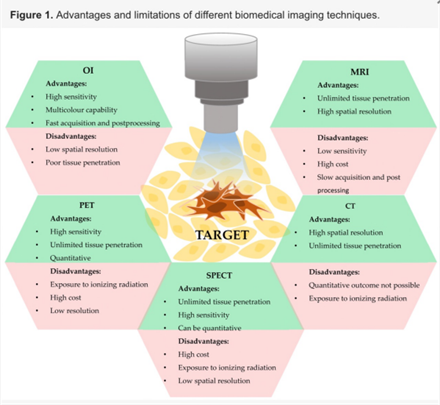
4. Low resolution |
|
|
|
7 |
-.50
-.25
+.25
เต็ม
0
-35%
+30%
+35%
|
| 2 |

|
2. Tissue model |
|
|
|
7 |
-.50
-.25
+.25
เต็ม
0
-35%
+30%
+35%
|
| 3 |
|
3. สูตรพลังงาน ณ จุดที่กระดูกหัก |
|
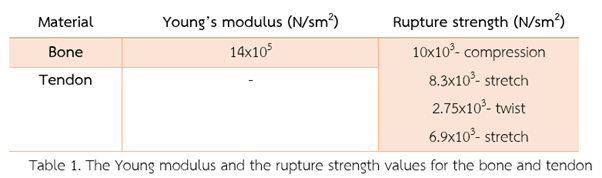
สูตรพลังงาน ณ จุดที่กระดูกหัก (Energy at the point of fracture) สามารถคำนวณได้โดยใช้ค่า Young’s Modulus (E), Surface Area (A), และ ความยาว (L) |
Change in Length
Orginal Length
Strain =
Force
Change in Length
Change in Length
Area
Orginal Length
ที่นี่, Stress เป็น Force ที่กระทำต่อพื้นที่ (Area) และ Strain เป็นการเปลี่ยนแปลงความยาวของกระดูก (Change in Length) หารด้วยความยาวเริ่มต้น (Original Length). ค่า Young's
Modulus (E) ในที่นี้คือ 14x10~5 N/cm?.
|
7 |
-.50
-.25
+.25
เต็ม
0
-35%
+30%
+35%
|
| 4 |
ข้อใดไม่เกี่ยวข้องกับ Cryo-Electron Microscopy ในการรักษาโรค COVID-19
|
4. Circular protein |
|
Cryo-Electron Microscopy (Cryo-EM) focuses on imaging biological samples at cryogenic temperatures. The terms “Straight Protein,” “Spike Protein,” and “Globular Protein” are more relevant to the structures and conformations observed using Cryo-EM. “Circular Protein” is not a common term in the context of protein structures studied with Cryo-EM. |
Cyclization via head-to-tail linkage of the termini of a peptide chain occurs in only a small percentage of proteins, but engenders the resultant cyclic proteins with exceptional stability. The mechanisms involved are poorly understood and this review attempts to summarize what is known of the events that lead to cyclization. Cyclic proteins are found in both prokaryotic and eukaryotic species. The prokaryotic circular proteins include the bacteriocins and pilins. The eukaryotic circular proteins in mammals include the theta defensins, found in rhesus macaques, and the retrocyclins. Two types of cyclic proteins have been found in plants, the sunflower trypsin inhibitor and the larger, more prolific, group known as cyclotides. The cyclotides from Oldenlandia affinis, the plant in which these cyclotides were first discovered, are processed by an asparaginyl endopeptidase which is a cysteine protease. Cysteine proteases are commonly associated with transpeptidation reactions, which, for suitable substrates can lead to cyclization events. These proteases cleave an amide bond and form an acyl enzyme intermediate before nucleophilic attack by the amine group of the N-terminal residue to form a peptide bond, resulting in a cyclic peptide. |
7 |
-.50
-.25
+.25
เต็ม
0
-35%
+30%
+35%
|
| 5 |
ข้อใดไม่เกี่ยวข้องกับการใช้หลักการทาง Physics ในการรักษาโรค COVID-19
|
3. 3D detailed structures virus |
|
การใช้หลักการทาง Physics ในการรักษาโรค COVID-19 มักเกี่ยวข้องกับการใช้เทคนิคทางฟิสิกส์เช่น X-Ray Crystallography (ข้อ 1), Electro-Magnetic Radiation (ข้อ 2), และ Wavelengths (ข้อ 4) เพื่อศึกษาและวิเคราะห์โครงสร้างของไวรัสหรือสารป้องกันโรค. ข้อ 3 เกี่ยวกับโครงสร้าง 3 มิติของไวรัสไม่ได้ตรงกับหลักการทาง Physics ที่นำมาใช้ในการรักษาโรค COVID-19 โดยตรง. |
Overview of the COVID-19 Pandemic
As early as November 2019, initial reports surfaced describing patients presenting with pneumonia-like symptoms in the Guangdong region of China, believed to be the origin of the severe acute respiratory syndrome (SARS)-associated coronavirus (SARS-CoV) in 2003.1−3 In late December 2019, the Wuhan Municipal Health Commission reported a cluster of 27 cases of pneumonia and days later identified a novel coronavirus—now named SARS-CoV-2—as the causative agent of the disease now called COVID-19 (Figure Figure11).4 Coronaviruses are enveloped, positive-strand RNA viruses, with SARS-CoV-2 part of the β-coronavirus genus containing SARS-CoV and MERS-CoV (the causative viruses of the 2003 SARS and 2012 MERS outbreaks, respectively).1−3,5 The first COVID-19-associated death was reported in China on January 11, 2020, and the genetic sequence of SARS-CoV-2 was published by the Global Initiative on Sharing All Influenza Data (GISAID) the following day (Figure Figure11).4,6 This genetic sequence revealed that SARS-CoV-2 shares 79% sequence identity with SARS-CoV.6−8 On January 13, 2020 the first case of COVID-19 outside of China was reported in Thailand, and the World Health Organization (WHO) suggested evidence of “limited human-to-human transmission” in a press briefing the following day.4,9 In early February 2020, the first COVID-19 death was reported outside of China, and countries worldwide began reporting cases.4 The WHO characterized COVID-19 as a pandemic on March 11, 2020 (Figure Figure11), and over the next few years, SARS-CoV-2 would spread globally, infect over 6% of the global population, mutate into more infectious variants of concern, and generally disrupt many aspects of daily life.
|
7 |
-.50
-.25
+.25
เต็ม
0
-35%
+30%
+35%
|
| 6 |
ข้อใดเกี่ยวข้องกับ CLEM applications for cryo-ET on FIB-fabricated lamellae
|
5. ถูกมากกว่า 1 ข้อ |
|
CLEM (Correlative Light and Electron Microscopy) applications for cryo-ET on FIB-fabricated lamellae typically involve combining multiple techniques. Options 1, 3, and 4 are all relevant:
• 1. Light Microscopy: Used for obtaining initial information before transitioning to cryo-ET.
• 3. SEM Data: Scanning Electron Microscopy data is often integrated into CLEM workflows.
• 4. Subcellular Localization: Important for understanding the specific location of structures within a cell, which can be achieved through CLEM. |
Cryogenic electron microscopy and data processing enable the determination of structures of isolated macromolecules to near-atomic resolution. However, these data do not provide structural information in the cellular environment where macromolecules perform their native functions, and vital molecular interactions can be lost during the isolation process. Cryogenic focused ion beam (FIB) fabrication generates thin lamellae of cellular samples and tissues, enabling structural studies on the near-native cellular interior and its surroundings by cryogenic electron tomography (cryo-ET). Cellular cryo-ET benefits from the technological developments in electron microscopes, detectors and data processing, and more in situ structures are being obtained and at increasingly higher resolution. In this Review, we discuss recent studies employing cryo-ET on FIB-generated lamellae and the technological developments in ultrarapid sample freezing, FIB fabrication of lamellae, tomography, data processing and correlative light and electron microscopy that have enabled these studies. Finally, we explore the future of cryo-ET in terms of both methods development and biological application.
|
7 |
-.50
-.25
+.25
เต็ม
0
-35%
+30%
+35%
|
| 7 |
ข้อใดเกี่ยวข้องกับ PlifePred
|
4. Bioactivity potential scoring |
|
PlifePred is related to bioactivity potential scoring. It is a tool used for predicting the bioactivity potential of peptides, providing insights into their potential functionalities. |
|
7 |
-.50
-.25
+.25
เต็ม
0
-35%
+30%
+35%
|
| 8 |
ข้อใดไม่เกี่ยวข้องกับ ultrasonic therapy และ bacteria
|
2. Diagnostic tool |
|
Ultrasonic therapy is primarily associated with the treatment of various conditions using ultrasound waves. It is less commonly used as a diagnostic tool. Options 1, 3, and 4 are more relevant to the application of ultrasonic therapy and bacteria. |
Ultrasound has been developed as both a diagnostic tool and a potent promoter of beneficial bio-effects for the treatment of chronic bacterial infections. Bacterial infections, especially those involving biofilm on implants, indwelling catheters and heart valves, affect millions of people each year, and many deaths occur as a consequence. Exposure of microbubbles or droplets to ultrasound can directly affect bacteria and enhance the efficacy of antibiotics or other therapeutics, which we have termed sonobactericide. This review summarizes investigations that have provided evidence for ultrasound-activated microbubble or droplet treatment of bacteria and biofilm. In particular, we review the types of bacteria and therapeutics used for treatment and the in vitro and pre-clinical experimental setups employed in sonobactericide research. Mechanisms for ultrasound enhancement of sonobactericide, with a special emphasis on acoustic cavitation and radiation force, are reviewed, and the potential for clinical translation is discussed. |
7 |
-.50
-.25
+.25
เต็ม
0
-35%
+30%
+35%
|
| 9 |
ข้อใดเกี่ยวข้องกับการใช้ physic ใน pathology (พยาธิวิทยา)
|
5. ผิดมากกว่า 1 ข้อ |
|
ทั้งหมดต่างเป็นข้อที่เกี่ยวข้องกับการใช้ฟิสิกส์ในพยาธิวิทยา:
1. Imaging - การสร้างภาพเพื่อการวิเคราะห์โรคหรือความผิดปกติในเนื้อเยื่อ.
2. Component Analysis - การวิเคราะห์ส่วนประกอบต่างๆ ของเนื้อเยื่อโดยใช้เทคนิคฟิสิกส์.
3. Digital Imaging - การสร้างภาพดิจิทัลที่ให้ข้อมูลที่สามารถวิเคราะห์ได้.
4. Fluorophores - การใช้สารประกอบที่สะท้อนแสงหรือเปล่งแสงในกระบวนการ imaging. |
พยาธิวิทยา (Pathology) คือ การศึกษาการเปลี่ยนแปลงในร่างกายเมื่อเกิดโรค หรือพยาธิสภาพที่เกิดขึ้นในร่างกายของคนหรือสัตว์เมื่อเกิดโรค ในการศึกษาเรื่องราวของโรคที่เกิดขึ้นจึงจำเป็นต้องรู้ถึงสาเหตุและธรรมชาติของโรค รวมทั้งการเปลี่ยนแปลงของร่างกายที่เกิดตามมาภายหลังการเกิดโรคทั้งทาง กายวิภาคฯ ทางสรีรวิทยา และทางเคมี |
7 |
-.50
-.25
+.25
เต็ม
0
-35%
+30%
+35%
|
| 10 |
ข้อใดไม่เกี่ยวข้องกับการทดลองด้านมะเร็ง โดยใช้ Fluorescence ในการทดลอง
|
5. ผิดทุกข้อ |
|
ถูกต้องทั้งหมดครับ! ทั้ง 1, 2, 3, และ 4 เป็นข้อที่เกี่ยวข้องกับการใช้ฟิสิกส์ในพยาธิวิทยา โดยทั้งนี้มีการใช้เทคนิคฟิสิกส์ในการสร้างภาพ, วิเคราะห์ส่วนประกอบ, การสร้างภาพดิจิทัล, และการใช้สารประกอบที่เกี่ยวข้องกับแสงในกระบวนการ imaging (Fluorophores) ทั้งนี้ช่วยในการทำความเข้าใจและวินิจฉัยโรคหรือความผิดปกติในเนื้อเยื่อ. |
|
7 |
-.50
-.25
+.25
เต็ม
0
-35%
+30%
+35%
|
| 11 |
ข้อใดเกี่ยวข้องกับ Risk Assessment Methods: Fallacies and Problems
|
5. ถูกมากกว่า 1 ข้อ |
|
ทั้ง 1 (Radioactive Health Hazards), 3 (Problems Of Measurement), และ 4 (Distribution Of Risks And Benefits) เป็นข้อที่เกี่ยวข้องกับ Risk Assessment Methods: Fallacies and Problems. |
|
7 |
-.50
-.25
+.25
เต็ม
0
-35%
+30%
+35%
|
| 12 |
ข้อใดเกี่ยวของกับ Interpreting tomograms of the crowded cellular environment
|
2. Cellular environment challenging |
|
ทั้ง 2 (Cellular Environment Challenging), 3 (Macromolecules), และ 4 (Low Signal-To-Noise Ratio) เป็นข้อที่เกี่ยวข้องกับการ Interpret tomograms of the crowded cellular environment. |
Cryogenic electron microscopy and data processing enable the determination of structures of isolated macromolecules to near-atomic resolution. However, these data do not provide structural information in the cellular environment where macromolecules perform their native functions, and vital molecular interactions can be lost during the isolation process. Cryogenic focused ion beam (FIB) fabrication generates thin lamellae of cellular samples and tissues, enabling structural studies on the near-native cellular interior and its surroundings by cryogenic electron tomography (cryo-ET). Cellular cryo-ET benefits from the technological developments in electron microscopes, detectors and data processing, and more in situ structures are being obtained and at increasingly higher resolution. In this Review, we discuss recent studies employing cryo-ET on FIB-generated lamellae and the technological developments in ultrarapid sample freezing, FIB fabrication of lamellae, tomography, data processing and correlative light and electron microscopy that have enabled these studies. Finally, we explore the future of cryo-ET in terms of both methods development and biological application. |
7 |
-.50
-.25
+.25
เต็ม
0
-35%
+30%
+35%
|
| 13 |
นักแข่งวิ่งใช้กฎ newton ข้อใดในการเริ่มวิ่ง
|
2. ข้อ 2 |
|
นักแข่งวิ่งในการเริ่มวิ่งจะใช้กฎ Newton ข้อที่ 2: , ที่กำหนดว่าความเร่ง (a) ที่เกิดขึ้นในนักแข่งนั้นมีตรงกับแรง (F) ที่เขากำลังพยายามใช้ในการเคลื่อนที่, และมวลของนักแข่ง (m). |
Newton’s First Law: Inertia
An object at rest remains at rest, and an object in motion remains in motion at constant speed and in a straight line unless acted on by an unbalanced force.
Newton’s first law states that every object will remain at rest or in uniform motion in a straight line unless compelled to change its state by the action of an external force. This tendency to resist changes in a state of motion is inertia. If all the external forces cancel each other out, then there is no net force acting on the object. If there is no net force acting on the object, then the object will maintain a constant velocity.
Examples of inertia involving aerodynamics:
The motion of an airplane when a pilot changes the throttle setting of an engine.
The motion of a ball falling down through the atmosphere.
A model rocket being launched up into the atmosphere.
The motion of a kite when the wind changes.
Newton’s Second Law: Force
The acceleration of an object depends on the mass of the object and the amount of force applied.
His second law defines a force to be equal to change in momentum (mass times velocity) per change in time. Momentum is defined to be the mass m of an object times its velocity V.
Newton’s Third Law: Action & Reaction
Whenever one object exerts a force on a second object, the second object exerts an equal and opposite force on the first.
His third law states that for every action (force) in nature there is an equal and opposite reaction. If object A exerts a force on object B, object B also exerts an equal and opposite force on object A. In other words, forces result from interactions.
Examples of action and reaction involving aerodynamics:
The motion of lift from an airfoil, the air is deflected downward by the airfoil’s action, and in reaction, the wing is pushed upward.
The motion of a spinning ball, the air is deflected to one side, and the ball reacts by moving in the opposite direction.
The motion of a jet engine produces thrust and hot exhaust gases flow out the back of the engine, and a thrusting force is produced in the opposite direction.
Review Newton’s Laws of Motion
1. Newton’s First Law of Motion (Inertia) An object at rest remains at rest, and an object in motion remains in motion at constant speed and in a straight line unless acted on by an unbalanced force.
2. Newton’s Second Law of Motion (Force) The acceleration of an object depends on the mass of the object and the amount of force applied.
3. Newton’s Third Law of Motion (Action & Reaction) Whenever one object exerts a force on another object, the second object exerts an equal and opposite force on the first.
|
7 |
-.50
-.25
+.25
เต็ม
0
-35%
+30%
+35%
|
| 14 |
ข้อใดไม่ช่วยเรื่องวัดความยืดหยุ่นของกล้ามเนื้อ
|
5. ถูกมากกว่า 1 ข้อ |
|
ทั้ง 2 (วัดความดัน), 3 (การผ่าตัด), และ 4 (ดูค่าเลือด) ไม่ได้เป็นวิธีที่ตรงไปตรงมาในการวัดความยืดหยุ่นของกล้ามเนื้อ. Modulus Young (ข้อ 1) เป็นตัวบ่งชี้ความยืดหยุ่นของวัสดุ, แต่ไม่ได้ถูกต้องที่จะนำมาใช้กับกล้ามเนื้อโดยตรง. |
|
7 |
-.50
-.25
+.25
เต็ม
0
-35%
+30%
+35%
|
| 15 |
ข้อใดเกี่ยวข้องกับ AntiAngioPred
|
1. Anti-angiogenic peptide |
|
AntiAngioPred เกี่ยวข้องกับการทำนายหรือการคาดการณ์ Anti-Angiogenic Peptide ที่มีฤทธิ์ต้านการเกิดหลอดเลือดในกระบวนการ Angiogenesis. |
The process of growth of new capillary blood vessels is used for healing and reproduction, which is known as angiogenesis. It occurs for healing wounds and for restoring blood flow to tissues after injury. The angiogenesis is controlled by producing inhibitory factors. The balance between pro-angiogenic molecules and anti-angiogenic molecules are hypothesized to regulate by an ‘on’ and the ‘off’, switch respectively. Angiogenesis-stimulating growth factors are “on switches” and the "off switches" are known as angiogenesis inhibitors. Recent studies have identified several endogenous anti-angiogenic peptides identified from various biological sources which regulate angiogenesis and tumor growth.
There are several peptides derived from various proteins that inhibit Angiogenesis. The discovery of new anti-angiogenic peptide inhibitors would contribute to the development of therapeutic treatments for these diseases. The search for anti-angiogenic agents for the treatment of cancer is particularly prominent. This user-friendly web server is to help the experimental biologist to predict the anti-angiogenic peptides. |
7 |
-.50
-.25
+.25
เต็ม
0
-35%
+30%
+35%
|
| 16 |
หากสูตรของการหาความยาวของ Protein helix คือ lengthA = (4x10^8)/660 x A
จงหาความยาวของ Protein A หากมี 3 A°
|
2. 175 µm |
|
|
|
7 |
-.50
-.25
+.25
เต็ม
0
-35%
+30%
+35%
|
| 17 |
Energy loss ของโปรตีน บอกอะไรเราได้ ยกเว้นข้อใด
|
4. Modulus Young |
|
Energy loss ของโปรตีนบอกถึงความสามารถในการสูญเสียพลังงานในกระบวนการหลายๆ ข้อดังที่กล่าวถึง:
1. Elasticity Of Protein - การยืดตัวและคืนรูปของโปรตีน.
2. Protein Activity - การทำงานหรือกิจกรรมของโปรตีน.
3. Ability To Reform - ความสามารถในการกลับมาเป็นรูปหลังจากการเปลี่ยนแปลง.
4. Energy Loss - การสูญเสียพลังงานที่เกิดขึ้นในกระบวนการ.
Modulus Young (ข้อ 4) เป็นค่าที่เกี่ยวข้องกับความแข็งของวัสดุและไม่ตรงกับ Energy Loss ของโปรตีน. |
|
7 |
-.50
-.25
+.25
เต็ม
0
-35%
+30%
+35%
|
| 18 |
Protein activity ไม่ใช่ข้อจำกัดของข้อใด
|
2. Microfluidic system |
|
Protein activity เป็นปัจจัยที่สำคัญในการศึกษาและทำความเข้าใจโรค, precision medicine, และ tumor microenvironment แต่ไม่ได้เป็นข้อจำกัดของ microfluidic system. |
A critical function of proteins is their activity as enzymes, which are needed to catalyze almost all biological reactions. Regulation of enzyme activity thus plays a key role in governing cell behavior. |
7 |
-.50
-.25
+.25
เต็ม
0
-35%
+30%
+35%
|
| 19 |
ข้อใดไม่ใช่ประโยชน์ของ Nanotechnology
|
2. Antibacterial |
|
ประโยชน์ของ Nanotechnology
มีทุกอย่างยกเว้น Antibacterial |
Applications of Nanotechnology
After more than 20 years of basic nanoscience research and more than fifteen years of focused R&D under the NNI, applications of nanotechnology are delivering in both expected and unexpected ways on nanotechnology’s promise to benefit society.
Nanotechnology is helping to considerably improve, even revolutionize, many technology and industry sectors: information technology, homeland security, medicine, transportation, energy, food safety, and environmental science, among many others. Described below is a sampling of the rapidly growing list of benefits and applications of nanotechnology.
Everyday Materials and Processes
Many benefits of nanotechnology depend on the fact that it is possible to tailor the structures of materials at extremely small scales to achieve specific properties, thus greatly extending the materials science toolkit. Using nanotechnology, materials can effectively be made stronger, lighter, more durable, more reactive, more sieve-like, or better electrical conductors, among many other traits. Many everyday commercial products are currently on the market and in daily use that rely on nanoscale materials and processes:
Nanoscale additives to or surface treatments of fabrics can provide lightweight ballistic energy deflection in personal body armor, or can help them resist wrinkling, staining, and bacterial growth.
Clear nanoscale films on eyeglasses, computer and camera displays, windows, and other surfaces can make them water- and residue-repellent, antireflective, self-cleaning, resistant to ultraviolet or infrared light, antifog, antimicrobial, scratch-resistant, or electrically conductive.
Nanoscale materials are beginning to enable washable, durable “smart fabrics” equipped with flexible nanoscale sensors and electronics with capabilities for health monitoring, solar energy capture, and energy harvesting through movement.
Lightweighting of cars, trucks, airplanes, boats, and space craft could lead to significant fuel savings. Nanoscale additives in polymer composite materials are being used in baseball bats, tennis rackets, bicycles, motorcycle helmets, automobile parts, luggage, and power tool housings, making them lightweight, stiff, durable, and resilient. Carbon nanotube sheets are now being produced for use in next-generation air vehicles. For example, the combination of light weight and conductivity makes them ideal for applications such as electromagnetic shielding and thermal management.
High resolution micrograph of polymer-silicate nanocomposite from NASA
High-resolution image of a polymer-silicate nanocomposite. This material has improved thermal, mechanical, and barrier properties and can be used in food and beverage containers, fuel storage tanks for aircraft and automobiles, and in aerospace components. (Image courtesy of NASA.)
Nano-bioengineering of enzymes is aiming to enable conversion of cellulose from wood chips, corn stalks, unfertilized perennial grasses, etc., into ethanol for fuel. Cellulosic nanomaterials have demonstrated potential applications in a wide array of industrial sectors, including electronics, construction, packaging, food, energy, health care, automotive, and defense. Cellulosic nanomaterials are projected to be less expensive than many other nanomaterials and, among other characteristics, tout an impressive strength-to-weight ratio.
Nano-engineered materials in automotive products include high-power rechargeable battery systems; thermoelectric materials for temperature control; tires with lower rolling resistance; high-efficiency/low-cost sensors and electronics; thin-film smart solar panels; and fuel additives for cleaner exhaust and extended range.
Nanostructured ceramic coatings exhibit much greater toughness than conventional wear-resistant coatings for machine parts. Nanotechnology-enabled lubricants and engine oils also significantly reduce wear and tear, which can significantly extend the lifetimes of moving parts in everything from power tools to industrial machinery.
Nanoparticles are used increasingly in catalysis to boost chemical reactions. This reduces the quantity of catalytic materials necessary to produce desired results, saving money and reducing pollutants. Two big applications are in petroleum refining and in automotive catalytic converters.
Nano-engineered materials make superior household products such as degreasers and stain removers; environmental sensors, air purifiers, and filters; antibacterial cleansers; and specialized paints and sealing products, such a self-cleaning house paints that resist dirt and marks.
Nanoscale materials are also being incorporated into a variety of personal care products to improve performance. Nanoscale titanium dioxide and zinc oxide have been used for years in sunscreen to provide protection from the sun while appearing invisible on the skin.
Electronics and IT Applications
Nanotechnology has greatly contributed to major advances in computing and electronics, leading to faster, smaller, and more portable systems that can manage and store larger and larger amounts of information. These continuously evolving applications include:
Transistors, the basic switches that enable all modern computing, have gotten smaller and smaller through nanotechnology. At the turn of the century, a typical transistor was 130 to 250 nanometers in size. In 2014, Intel created a 14 nanometer transistor, then IBM created the first seven nanometer transistor in 2015, and then Lawrence Berkeley National Lab demonstrated a one nanometer transistor in 2016! Smaller, faster, and better transistors may mean that soon your computer’s entire memory may be stored on a single tiny chip.
Using magnetic random access memory (MRAM), computers will be able to “boot” almost instantly. MRAM is enabled by nanometer‐scale magnetic tunnel junctions and can quickly and effectively save data during a system shutdown or enable resume‐play features.
Ultra-high definition displays and televisions are now being sold that use quantum dots to produce more vibrant colors while being more energy efficient.
Scientists in protective clothing hold up IBM's 7 nm chip wafer
SUNY College of Nanoscale Science and Engineering's Michael Liehr, left, and IBM's Bala Haranand display a wafer comprised of 7nm chips in a NFX clean room in Albany, New York. (Image courtesy of IBM.)
Flexible, bendable, foldable, rollable, and stretchable electronics are reaching into various sectors and are being integrated into a variety of products, including wearables, medical applications, aerospace applications, and the Internet of Things. Flexible electronics have been developed using, for example, semiconductor nanomembranes for applications in smartphone and e-reader displays. Other nanomaterials like graphene and cellulosic nanomaterials are being used for various types of flexible electronics to enable wearable and “tattoo” sensors, photovoltaics that can be sewn onto clothing, and electronic paper that can be rolled up. Making flat, flexible, lightweight, non-brittle, highly efficient electronics opens the door to countless smart products.
Other computing and electronic products include Flash memory chips for smart phones and thumb drives; ultra-responsive hearing aids; antimicrobial/antibacterial coatings on keyboards and cell phone casings; conductive inks for printed electronics for RFID/smart cards/smart packaging; and flexible displays for e-book readers.
Nanoparticle copper suspensions have been developed as a safer, cheaper, and more reliable alternative to lead-based solder and other hazardous materials commonly used to fuse electronics in the assembly process.
Medical and Healthcare Applications
Nanotechnology is already broadening the medical tools, knowledge, and therapies currently available to clinicians. Nanomedicine, the application of nanotechnology in medicine, draws on the natural scale of biological phenomena to produce precise solutions for disease prevention, diagnosis, and treatment. Below are some examples of recent advances in this area:
This micrograph shows four different color versions of a bamboo-like structure of nitrogen-doped carbon nanotubes for the treatment of cancer.
This image shows the bamboo-like structure of nitrogen-doped carbon nanotubes for the treatment of cancer. (Courtesy of Wake Forest and the National Cancer Institute)
Commercial applications have adapted gold nanoparticles as probes for the detection of targeted sequences of nucleic acids, and gold nanoparticles are also being clinically investigated as potential treatments for cancer and other diseases.
Better imaging and diagnostic tools enabled by nanotechnology are paving the way for earlier diagnosis, more individualized treatment options, and better therapeutic success rates.
Nanotechnology is being studied for both the diagnosis and treatment of atherosclerosis, or the buildup of plaque in arteries. In one technique, researchers created a nanoparticle that mimics the body’s “good” cholesterol, known as HDL (high-density lipoprotein), which helps to shrink plaque.
The design and engineering of advanced solid-state nanopore materials could allow for the development of novel gene sequencing technologies that enable single-molecule detection at low cost and high speed with minimal sample preparation and instrumentation.
Nanotechnology researchers are working on a number of different therapeutics where a nanoparticle can encapsulate or otherwise help to deliver medication directly to cancer cells and minimize the risk of damage to healthy tissue. This has the potential to change the way doctors treat cancer and dramatically reduce the toxic effects of chemotherapy.
Research in the use of nanotechnology for regenerative medicine spans several application areas, including bone and neural tissue engineering. For instance, novel materials can be engineered to mimic the crystal mineral structure of human bone or used as a restorative resin for dental applications. Researchers are looking for ways to grow complex tissues with the goal of one day growing human organs for transplant. Researchers are also studying ways to use graphene nanoribbons to help repair spinal cord injuries; preliminary research shows that neurons grow well on the conductive graphene surface.
Nanomedicine researchers are looking at ways that nanotechnology can improve vaccines, including vaccine delivery without the use of needles. Researchers also are working to create a universal vaccine scaffold for the annual flu vaccine that would cover more strains and require fewer resources to develop each year.
Energy Applications
Nanotechnology is finding application in traditional energy sources and is greatly enhancing alternative energy approaches to help meet the world’s increasing energy demands. Many scientists are looking into ways to develop clean, affordable, and renewable energy sources, along with means to reduce energy consumption and lessen toxicity burdens on the environment:
Nanotechnology is improving the efficiency of fuel production from raw petroleum materials through better catalysis. It is also enabling reduced fuel consumption in vehicles and power plants through higher-efficiency combustion and decreased friction.
Nanotechnology is also being applied to oil and gas extraction through, for example, the use of nanotechnology-enabled gas lift valves in offshore operations or the use of nanoparticles to detect microscopic down-well oil pipeline fractures.
Researchers are investigating carbon nanotube “scrubbers” and membranes to separate carbon dioxide from power plant exhaust.
flexible solar cell from nanosys
New solar panel films incorporate nanoparticles to create lightweight, flexible solar cells. (Image courtesy of Nanosys)
Researchers are developing wires containing carbon nanotubes that will have much lower resistance than the high-tension wires currently used in the electric grid, thus reducing transmission power loss.
Nanotechnology can be incorporated into solar panels to convert sunlight to electricity more efficiently, promising inexpensive solar power in the future. Nanostructured solar cells could be cheaper to manufacture and easier to install, since they can use print-like manufacturing processes and can be made in flexible rolls rather than discrete panels. Newer research suggests that future solar converters might even be “paintable.”
Nanotechnology is already being used to develop many new kinds of batteries that are quicker-charging, more efficient, lighter weight, have a higher power density, and hold electrical charge longer.
An epoxy containing carbon nanotubes is being used to make windmill blades that are longer, stronger, and lighter-weight than other blades to increase the amount of electricity that windmills can generate.
In the area of energy harvesting, researchers are developing thin-film solar electric panels that can be fitted onto computer cases and flexible piezoelectric nanowires woven into clothing to generate usable energy on the go from light, friction, and/or body heat to power mobile electronic devices. Similarly, various nanoscience-based options are being pursued to convert waste heat in computers, automobiles, homes, power plants, etc., to usable electrical power.
Energy efficiency and energy saving products are increasing in number and types of application. In addition to those noted above, nanotechnology is enabling more efficient lighting systems; lighter and stronger vehicle chassis materials for the transportation sector; lower energy consumption in advanced electronics; and light-responsive smart coatings for glass.
Environmental Remediation
In addition to the ways that nanotechnology can help improve energy efficiency (see the section above), there are also many ways that it can help detect and clean up environmental contaminants:
Nanotechnology could help meet the need for affordable, clean drinking water through rapid, low-cost detection and treatment of impurities in water.
Engineers have developed a thin film membrane with nanopores for energy-efficient desalination. This molybdenum disulphide (MoS2) membrane filtered two to five times more water than current conventional filters.
Nanoparticles are being developed to clean industrial water pollutants in ground water through chemical reactions that render the pollutants harmless. This process would cost less than methods that require pumping the water out of the ground for treatment.
Researchers have developed a nanofabric "paper towel" woven from tiny wires of potassium manganese oxide that can absorb 20 times its weight in oil for cleanup applications. Researchers have also placed magnetic water-repellent nanoparticles in oil spills and used magnets to mechanically remove the oil from the water.
Many airplane cabin and other types of air filters are nanotechnology-based filters that allow “mechanical filtration,” in which the fiber material creates nanoscale pores that trap particles larger than the size of the pores. The filters also may contain charcoal layers that remove odors.
Nanotechnology-enabled sensors and solutions are now able to detect and identify chemical or biological agents in the air and soil with much higher sensitivity than ever before. Researchers are investigating particles such as self-assembled monolayers on mesoporous supports (SAMMS™), dendrimers, and carbon nanotubes to determine how to apply their unique chemical and physical properties for various kinds of toxic site remediation. Another sensor has been developed by NASA as a smartphone extension that firefighters can use to monitor air quality around fires.
Future Transportation Benefits
Nanotechnology offers the promise of developing multifunctional materials that will contribute to building and maintaining lighter, safer, smarter, and more efficient vehicles, aircraft, spacecraft, and ships. In addition, nanotechnology offers various means to improve the transportation infrastructure:
As discussed above, nano-engineered materials in automotive products include polymer nanocomposites structural parts; high-power rechargeable battery systems; thermoelectric materials for temperature control; lower rolling-resistance tires; high-efficiency/low-cost sensors and electronics; thin-film smart solar panels; and fuel additives and improved catalytic converters for cleaner exhaust and extended range. Nano-engineering of aluminum, steel, asphalt, concrete and other cementitious materials, and their recycled forms offers great promise in terms of improving the performance, resiliency, and longevity of highway and transportation infrastructure components while reducing their life cycle cost. New systems may incorporate innovative capabilities into traditional infrastructure materials, such as self-repairing structures or the ability to generate or transmit energy.
Nanoscale sensors and devices may provide cost-effective continuous monitoring of the structural integrity and performance of bridges, tunnels, rails, parking structures, and pavements over time. Nanoscale sensors, communications devices, and other innovations enabled by nanoelectronics can also support an enhanced transportation infrastructure that can communicate with vehicle-based systems to help drivers maintain lane position, avoid collisions, adjust travel routes to avoid congestion, and improve drivers’ interfaces to onboard electronics.
“Game changing” benefits from the use of nanotechnology-enabled lightweight, high-strength materials would apply to almost any transportation vehicle. For example, it has been estimated that reducing the weight of a commercial jet aircraft by 20 percent could reduce its fuel consumption by as much as 15 percent. A preliminary analysis performed for NASA has indicated that the development and use of advanced nanomaterials with twice the strength of conventional composites would reduce the gross weight of a launch vehicle by as much as 63 percent. Not only could this save a significant amount of energy needed to launch spacecraft into orbit, but it would also enable the development of single stage to orbit launch vehicles, further reducing launch costs, increasing mission reliability, and opening the door to alternative propulsion concepts.
Maintaining the Focus on the Benefits of Nanotechnology via EHS and ELSI Efforts
Please visit the Environmental, Health, and Safety Issues and the Ethical, Legal, and Societal Issues pages on nano.gov to learn more about how the National Nanotechnology Initiative is committed to responsibly addressing these issues.
|
7 |
-.50
-.25
+.25
เต็ม
0
-35%
+30%
+35%
|
| 20 |
คำนวณค่า protein (หน่วย mg/24) ในปัสสาวะ 24 hr.
Total volume = 2900 ml Urine protein = 9000 mg/dL
|
2. 6 x 2000/100 |
|
Urine Protein (mg/24hr) = Urine Protein Concentration (mg/dL) x Total Urine Volume (dL) |
เราสามารถคำนวณค่าปริมาณโปรตีนในปัสสาวะ 24 ชั่วโมงได้
Urine Protein (mg/24hr) = Urine Protein Concentration (mg/dL) x Total Urine Volume (dL)
Urine Protein (mg/24hr) = 9000 mg/dL x
Urine Protein (mg/24hr) = 261000 mg/24hr
ดังนั้น, ปริมาณโปรตีนในปัสสาวะ 24 ชั่วโมงคือ 261000 mg/24hr หรือ 261 g/24hr. |
7 |
-.50
-.25
+.25
เต็ม
0
-35%
+30%
+35%
|