| 1 |
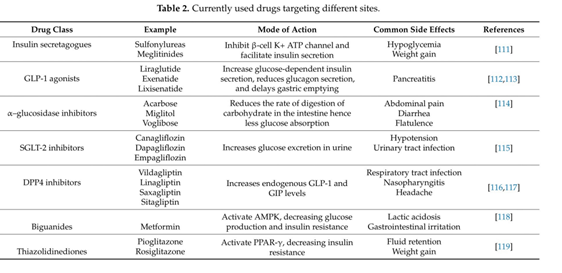
|
1. Biguanides |
|
|
|
7 |
-.50
-.25
+.25
เต็ม
0
-35%
+30%
+35%
|
| 2 |

|
5. SGLT-2 |
|
|
|
7 |
-.50
-.25
+.25
เต็ม
0
-35%
+30%
+35%
|
| 3 |
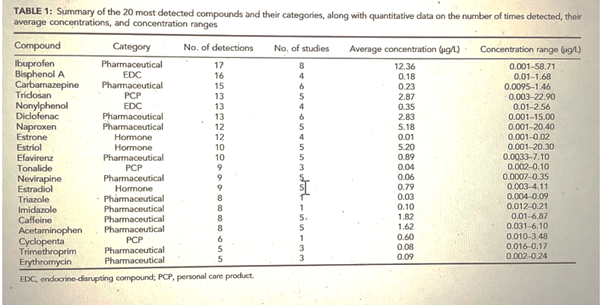
|
1. PCP |
|
|
|
7 |
-.50
-.25
+.25
เต็ม
0
-35%
+30%
+35%
|
| 4 |
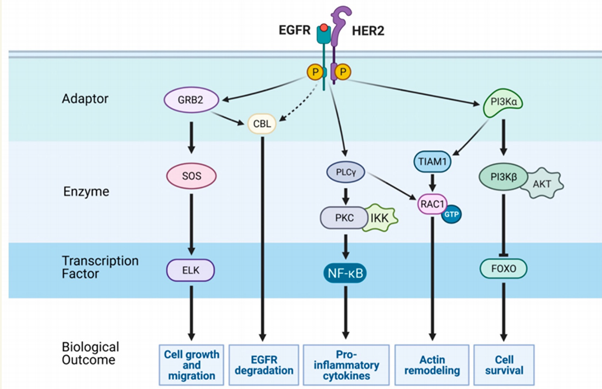
|
1. CBF |
|
|
|
7 |
-.50
-.25
+.25
เต็ม
0
-35%
+30%
+35%
|
| 5 |

|
3. CCB |
|
|
|
7 |
-.50
-.25
+.25
เต็ม
0
-35%
+30%
+35%
|
| 6 |
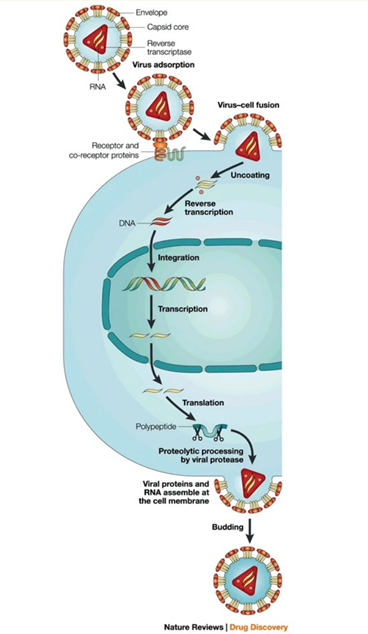
|
3. protein |
|
|
|
7 |
-.50
-.25
+.25
เต็ม
0
-35%
+30%
+35%
|
| 7 |
|
1. Enzyme |
|
|
|
7 |
-.50
-.25
+.25
เต็ม
0
-35%
+30%
+35%
|
| 8 |
|
2. NQO1 |
|
|
|
7 |
-.50
-.25
+.25
เต็ม
0
-35%
+30%
+35%
|
| 9 |

|
1. NRTa |
|
|
|
7 |
-.50
-.25
+.25
เต็ม
0
-35%
+30%
+35%
|
| 10 |
Vitamin C ไม่มีความเกี่ยวข้องอะไรกับโรคเบาหวาน
|
5. มีข้อผิดมากกว่า 1 ข้อ |
|
|
Vitamin C ไม่มีความเกี่ยวข้องกับโรคเบาหวานในเชิงทางกลไกโดยตรง องค์ประกอบหลักของ Vitamin C ไม่มีผลต่อการเพิ่มหรือลดน้ำตาลในเลือด หรือผลต่อการสังเคราะห์หรือลดปริมาณ Insulin อีกทั้งยังเป็นตัวช่วยที่มีฤทธิ์ต้านออกซิเดชัน (antioxidant) โดยทั่วไปเท่านั้น อย่างไรก็ตาม การบริโภค Vitamin C อาจมีประโยชน์สำหรับผู้ที่เป็นโรคเบาหวานในเชิงทางรวมถึงความสามารถในการลดความเสี่ยงต่อการเกิด |
7 |
-.50
-.25
+.25
เต็ม
0
-35%
+30%
+35%
|
| 11 |
ข้อใดเกี่ยวข้องกับ Astrocyte reactivity
|
4. longitudinal tau tangle accumulation |
|
ข้อที่ 4. Longitudinal Tau Tangle Accumulation เกี่ยวข้องกับ Astrocyte reactivity |
|
7 |
-.50
-.25
+.25
เต็ม
0
-35%
+30%
+35%
|
| 12 |
ข้อใดเกี่ยวข้องกับ combination of drugs targeting Aβ
|
5. ถูกมากกว่า 1 ข้อ |
|
|
|
7 |
-.50
-.25
+.25
เต็ม
0
-35%
+30%
+35%
|
| 13 |
ข้อใดคือ population-based study cohort
|
1. MYHAT |
|
ข้อที่ 1. MYHAT เป็น population-based study cohort |
|
7 |
-.50
-.25
+.25
เต็ม
0
-35%
+30%
+35%
|
| 14 |
ข้อใดเกี่ยวข้องกับ Environmental toxicology
|
5. All |
|
ข้อทั้งหมด 1, 2, 3, และ 4 เกี่ยวข้องกับ Environmental toxicology. |
|
7 |
-.50
-.25
+.25
เต็ม
0
-35%
+30%
+35%
|
| 15 |
ข้อใดเกี่ยวข้องกับ Histamine
|
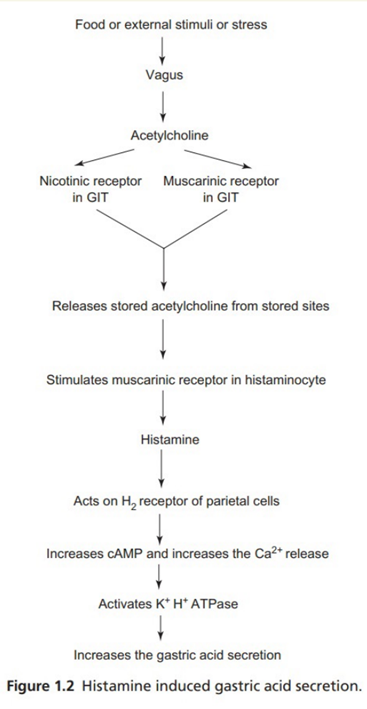
5. CN9 |
|
ข้อที่ 5. CN9 เกี่ยวข้องกับ Histamine |
|
7 |
-.50
-.25
+.25
เต็ม
0
-35%
+30%
+35%
|
| 16 |
ข้อใดเกี่ยวไม่ข้องกับ Environmental toxicology
|
4. biological agents |
|
ข้อที่ 4. Biological Agents เกี่ยวข้องกับ Environmental microbiology หรือการศึกษาเชื้อโรคที่มีอยู่ในสิ่งแวดล้อม แต่ไม่ได้เกี่ยวข้องโดยตรงกับ Environmental toxicology ที่เน้นการศึกษาสารพิษและปัจจัยอันตรายในสิ่งแวดล้อม |
|
7 |
-.50
-.25
+.25
เต็ม
0
-35%
+30%
+35%
|
| 17 |
ข้อใดไม่เกี่ยวข้องกับ drug research in cancer
|
2. cancer onset |
|
ข้อที่ 2. Cancer Onset ไม่เกี่ยวข้องกับ drug research in cancer โดยตรง ซึ่งเน้นการศึกษาเรื่องการเกิดโรคมากกว่าการวิจัยยาในการรักษาโรคมะเร็ง |
|
7 |
-.50
-.25
+.25
เต็ม
0
-35%
+30%
+35%
|
| 18 |
scientific study of the properties of toxins คืออะไร
|
1. toxicology |
|
ข้อที่ 1. Toxicology เป็นการศึกษาทางวิทยาศาสตร์เกี่ยวกับคุณสมบัติของสารพิษ (toxins) และผลกระทบต่อสิ่งมีชีวิต
|
|
7 |
-.50
-.25
+.25
เต็ม
0
-35%
+30%
+35%
|
| 19 |
ข้อใดไม่เกี่ยวข้องกับ DREs
|
5. narcotic analgesics |
|
ข้อที่ 5. Narcotic Analgesics ไม่เกี่ยวข้องกับ DREs (Drug Recognition Experts) ซึ่งเน้นการประเมินและการตรวจสอบสารเสพติดหรือยาเสพติดในบุคคลโดยใช้วิธีการตรวจสอบทางกายภาพและพฤติกรรม |
|
7 |
-.50
-.25
+.25
เต็ม
0
-35%
+30%
+35%
|
| 20 |
ข้อใดเกี่ยวข้องกับ Amphiphilic polymers
|
4. CZL-80 |
|
|
ข้อทั้งหมด 1, 2, และ 3 เกี่ยวข้องกับ Amphiphilic polymers:
1. Micelles: Amphiphilic polymers can self-assemble into micelles, which are structures formed by the aggregation of polymer chains in a specific arrangement.
2. Hydrophobic Core: Amphiphilic polymers have a hydrophobic (water-repelling) core, which is responsible for the aggregation of the polymer chains and the encapsulation of hydrophobic molecules.
3. A Hydrophilic Shell: Amphiphilic polymers also have a hydrophilic (water-attracting) shell, which provides stability to the micelles and allows them to interact with water and hydrophilic molecules.
ข้อที่ 4. CZL-80 เป็นที่ระบุเฉพาะและไม่เกี่ยวข้องกับ Amphiphilic polymers |
7 |
-.50
-.25
+.25
เต็ม
0
-35%
+30%
+35%
|