| 1 |
|
C.(true) |
|
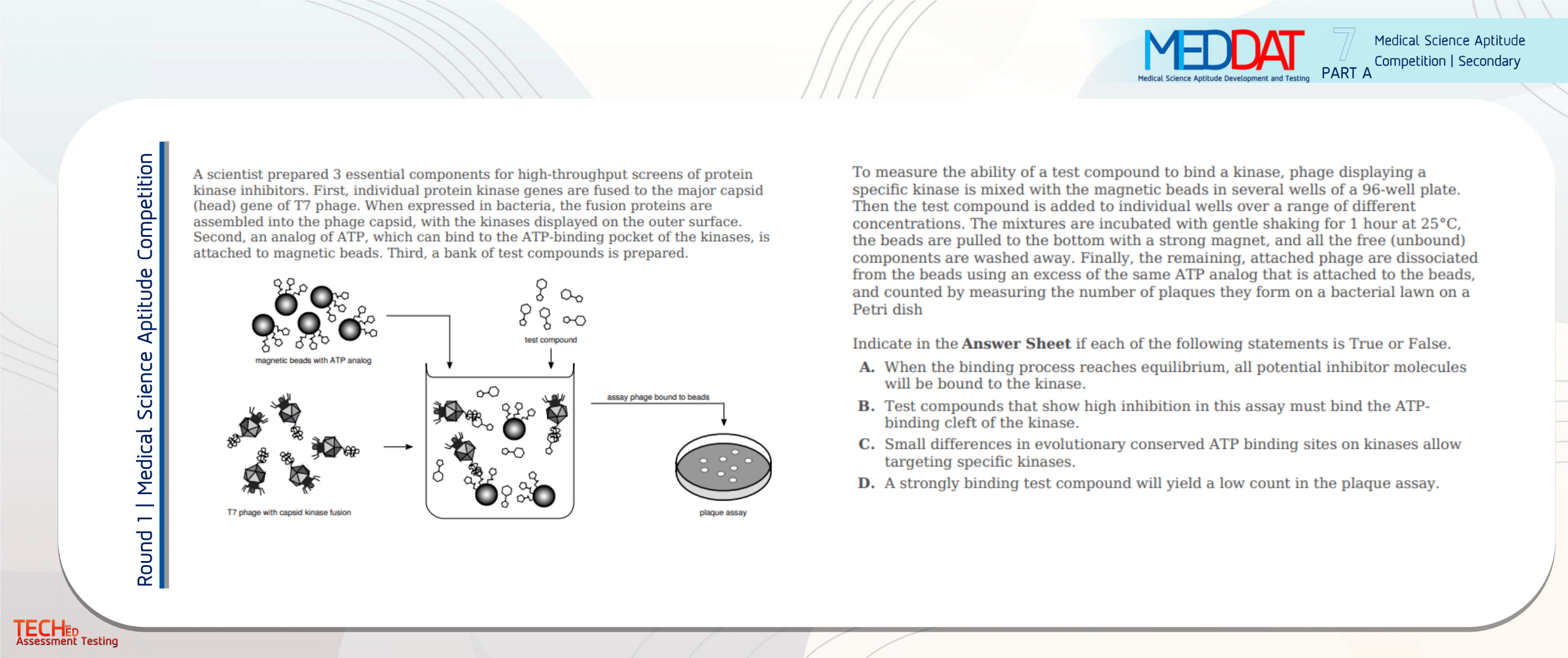
The conserved protein kinase core consists of two lobes.A total of 17 PS-binding phage clones were identified.Unlike phage display with conventional cDNA libraries,all 17 PS-binding clones were ORFs encoding 13 real proteins.PS-specific phage clone had dimeric basic amino acid residues.
|
Research article;PNAS
Biochemical and biophysical research communications 386(1),197-201,2009
|
7 |
-.50
-.25
+.25
เต็ม
0
-35%
+30%
+35%
|
| 2 |
|
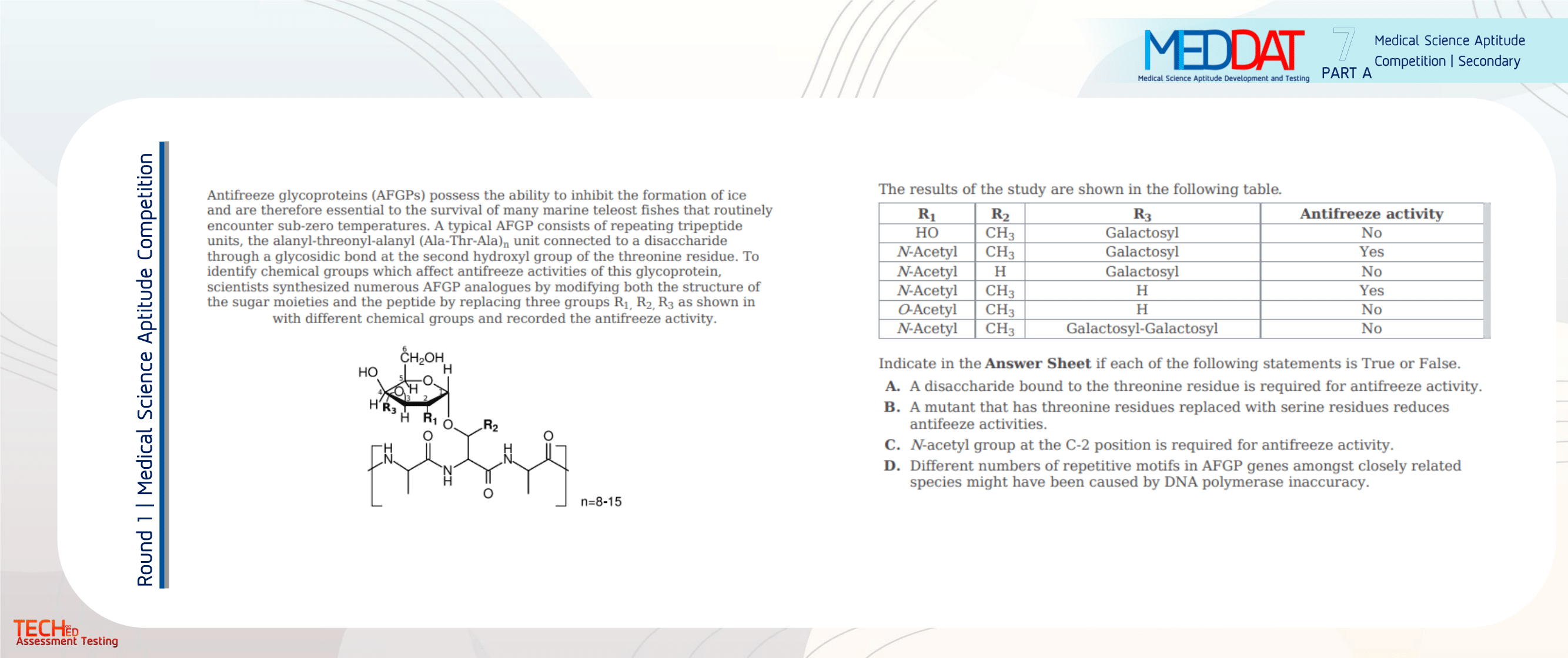
D true some of the missing AFGP coding sequences and reconstructed a partial AFGP locus in the Atlantic cod genome, bringing to light that not all repetitive sequences lack protein coding information. Also, reliance on genomes of model organisms as reference for annotating protein-coding gene content of a newly sequenced non-model species could lead to omission of novel genetic traits. |
|
Antifreeze glycopeptides (AFGPs) are a class of biological antifreeze agents found in certain Arctic and Antarctic ectotherm species. These unique compounds have the ability to regulate ice nucleation and ice crystal growth, thus creating viable conditions at temperatures below the freezing point of body fluids. Antifreeze glycopeptides typically consist of 4–55 tripeptide units of Ala–Ala–Thr that are O-glycosylated at the threonine side chains. The number and type of AFGPs in the blood sera of polar fish vary with habitat temperature and depth .
|
Protein genes in repetitive sequence—antifreeze glycoproteins in Atlantic cod genome
Xuan Zhuang, Chun Yang, […]C-H Christina Cheng
BMC Genomics volume 13, Article number: 293 (2012)
|
7 |
-.50
-.25
+.25
เต็ม
0
-35%
+30%
+35%
|
| 3 |
|
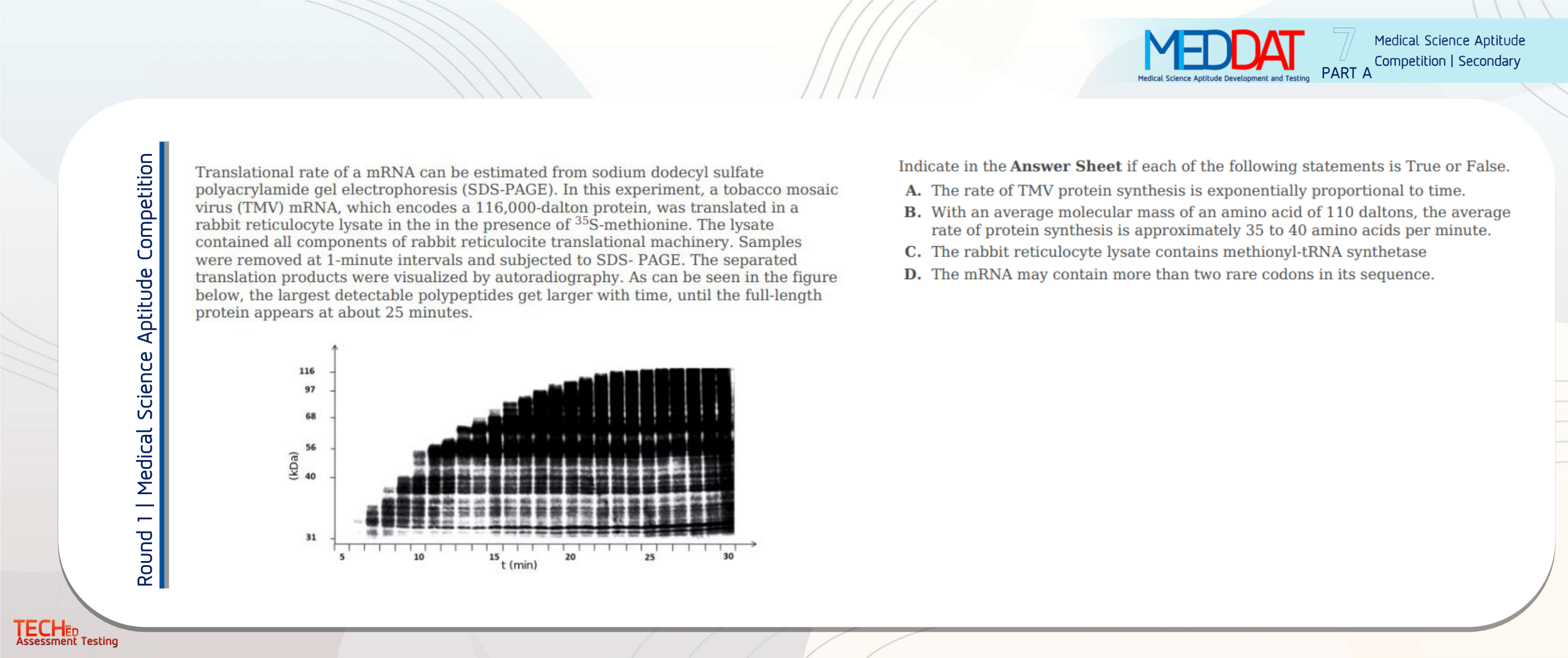
A true ;as it can be vividly seen in that graph when time has passed,the rate of TMV protein synthesis directly proportional to it. |
|
Accumulation and intercellular movement of TMV necessarily involves intracellular transport by complexes containing virus and host proteins and virus RNA during a dynamic process that can be visualized. Multiple membranes appear to assist TMV accumulation, while membranes, microfilaments and microtubules appear to assist TMV movement. Removal or mutation of cis and trans elements necessary for virus replication (i.e., the vRNA 3′ untranslated region and replicase) did not prevent granule formation, although they were smaller and less stable. The granules were shown to associate with fluorescently labeled ER. The 5′ methylguanosine cap on the vRNA was necessary to anchor vRNA to the ER/actin complex: absence of the cap leading to vRNA degradation and no granules .
|
The cell biology of Tobacco mosaic virus replication and movement
Chengke Liu and Richard S. Nelson*
Plant Biology Division, The Samuel Roberts Noble Foundation, Inc., Ardmore, OK, USA
|
7 |
-.50
-.25
+.25
เต็ม
0
-35%
+30%
+35%
|
| 4 |
|
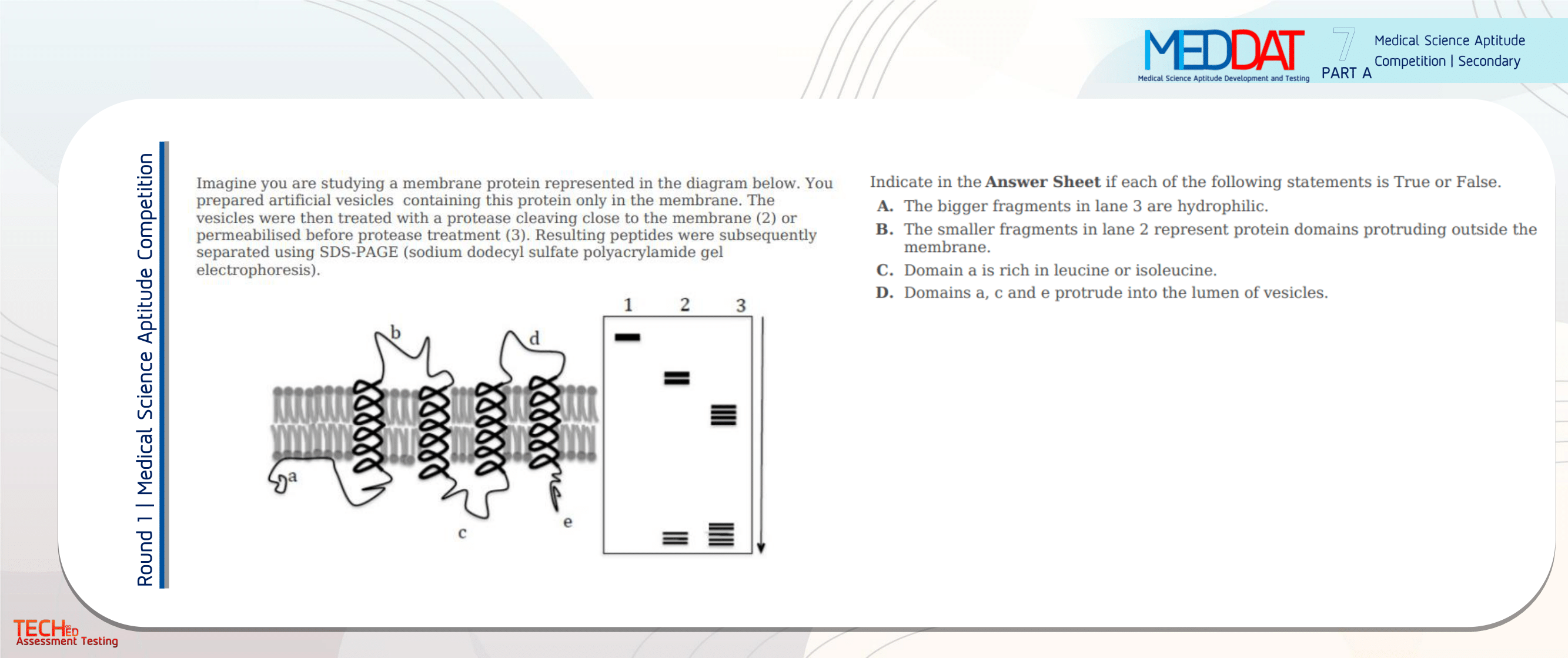
D true It is hypothesized that such larger peptides could form complexes with rather small SDS micelles and that such peptide-SDS complexes could differ in charge by just a single negative charge. |
|
The data suggest the dependence of SDS/peptide complex formation and migration due to the number of basic amino acid residues, length of peptide and the hydrophobicity/hydrophilicity ratio.
|
A novel procedure for separating small peptides on polyacrylamide gels
Kwabena Sarfo, Greg B. G. Moorhead & Raymond J. Turner
|
7 |
-.50
-.25
+.25
เต็ม
0
-35%
+30%
+35%
|
| 5 |
|
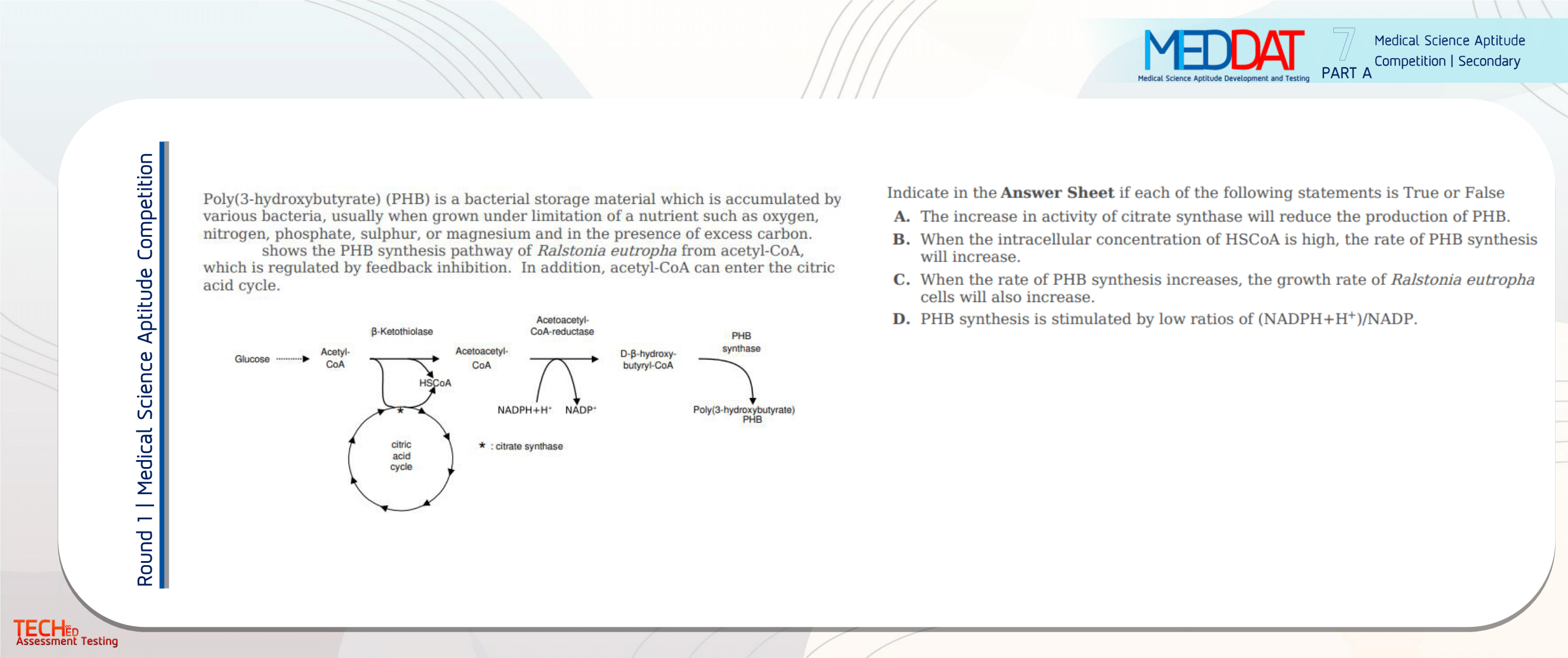
B true |
|
The β-ketothiolase is negatively regulated by the product coenzyme A (HSCoA), which is also a product when acetyl-CoA enters the TCA cycle under nonlimited conditions. The product is subsequently and stereoselectively reduced to (R)-3-hydroxybutyryl-CoA in a reaction catalysed by NADPH-dependent acetoacetyl-CoA reductase. High concentration of NADPH and NADH inhibits the citrate synthase of the TCA cycle, which ensures the availability of acetyl-CoA for the β-ketothiolase. Finally, PHB is synthesized by polymerization of (R)-3-hydroxybutyryl-CoA molecules by the PHB synthase. Hatched arrows indicate negative regulatory effects.
|
Research Gate Kessler and Witholt [11], Copyright (2001), Elsevier.
|
7 |
-.50
-.25
+.25
เต็ม
0
-35%
+30%
+35%
|
| 6 |
|
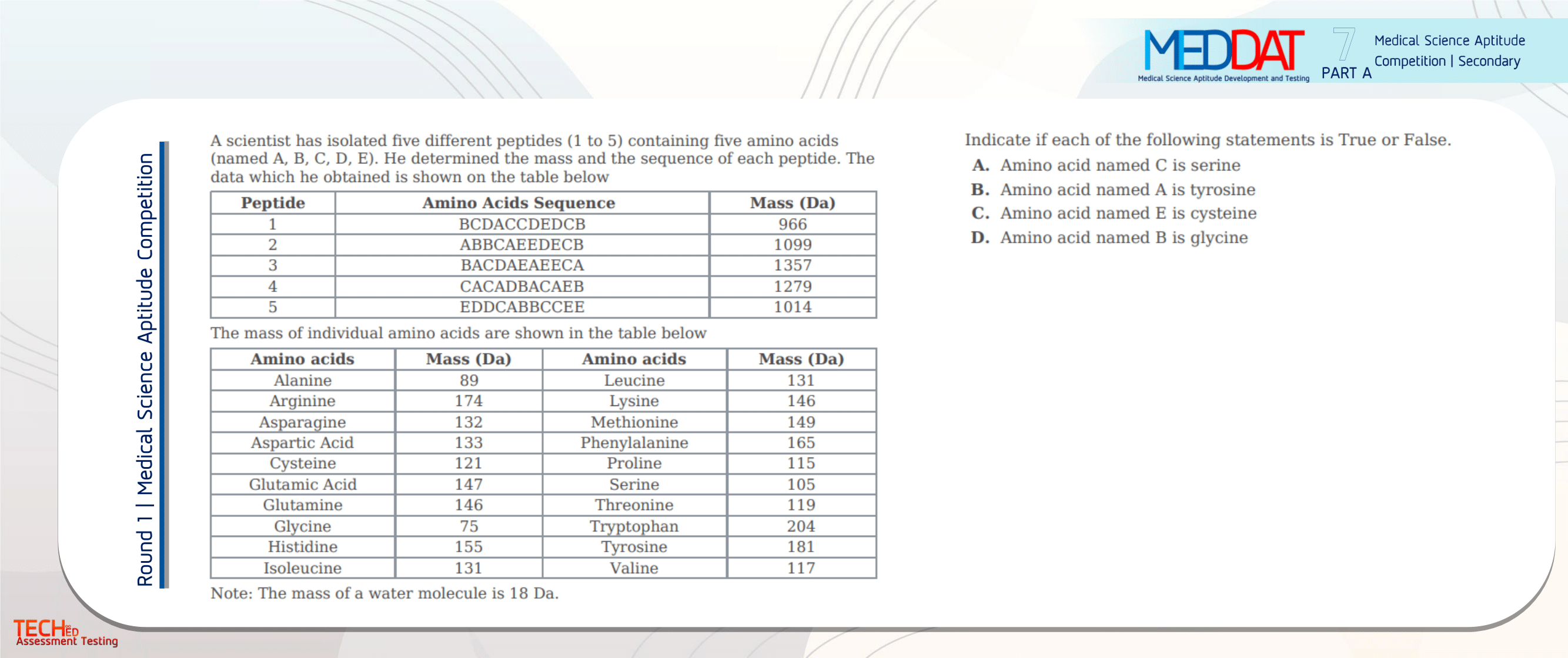
C is false |
|
Amino acid that called Cysteine is C not E.
|
Copyright © 1998, 1999, 2007 by Frank R. Gorga; Page maintained by F.R. Gorga; Last updated: 12-Mar-2007
|
7 |
-.50
-.25
+.25
เต็ม
0
-35%
+30%
+35%
|
| 7 |
|
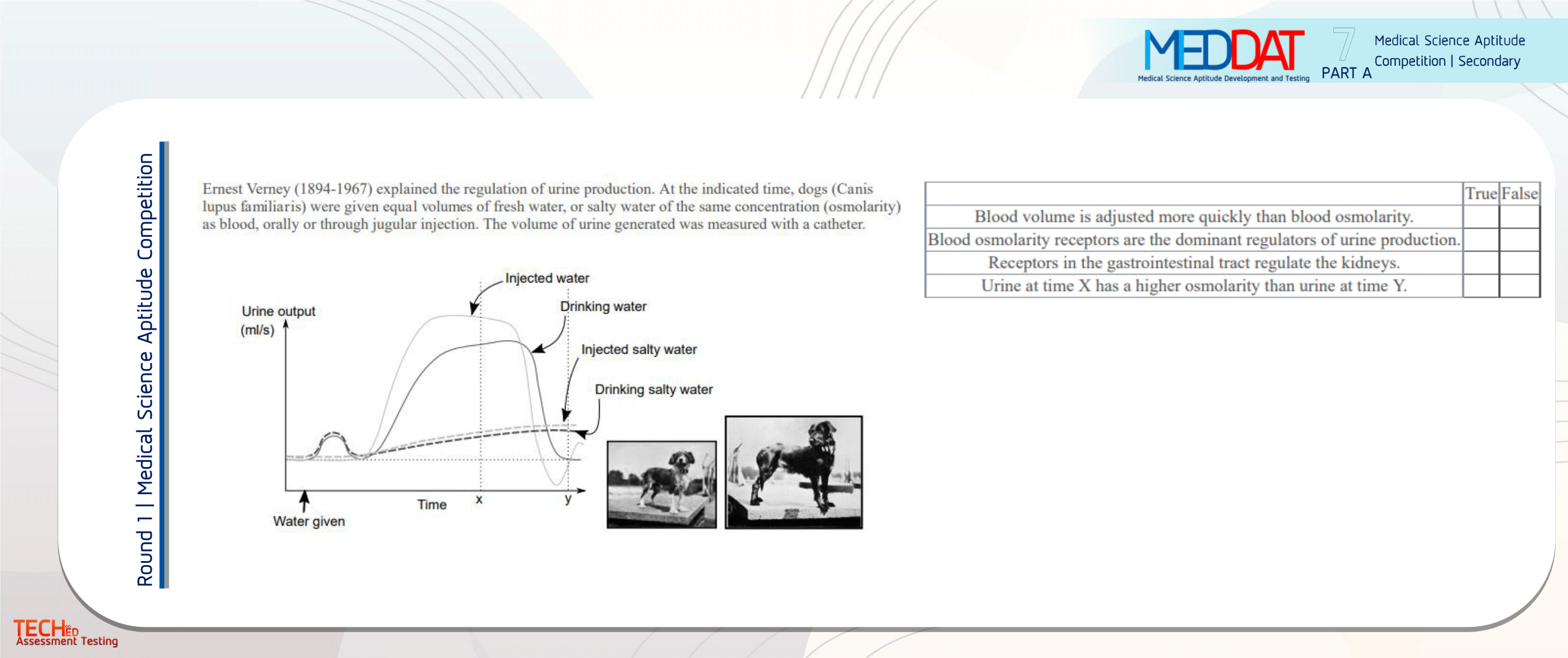
1.false 2.true 3.true 4.false |
|
Confirmation is given to the cephalic localization of these receptors, and an attempt has been made to discover where, within the substance of the brain, they reside. The test of their activation has been the inhibition of urine flow by intracarotid infusions of hypertonic solutions during established water-diuresis. By surgical means the cephalic field of distribution of the carotid arteries in the dog has been restricted to defined regions of the brain, and information has thereby been acquired on the osmoreceptive status of these regions. In this way it has been contrived that the evidence for the localization of the osmoreceptors should rest solely on the use of a blood-borne physiological stimulus appropriate to the sensory elements in question.
|
The Royal Society Publishing An experimental attempt to determine the site of the neurohypophysial and osmoreceptors in the dog
P. A. Jewell and Ernest Basil Verney
Published:28 February 1957
|
7 |
-.50
-.25
+.25
เต็ม
0
-35%
+30%
+35%
|
| 8 |
|
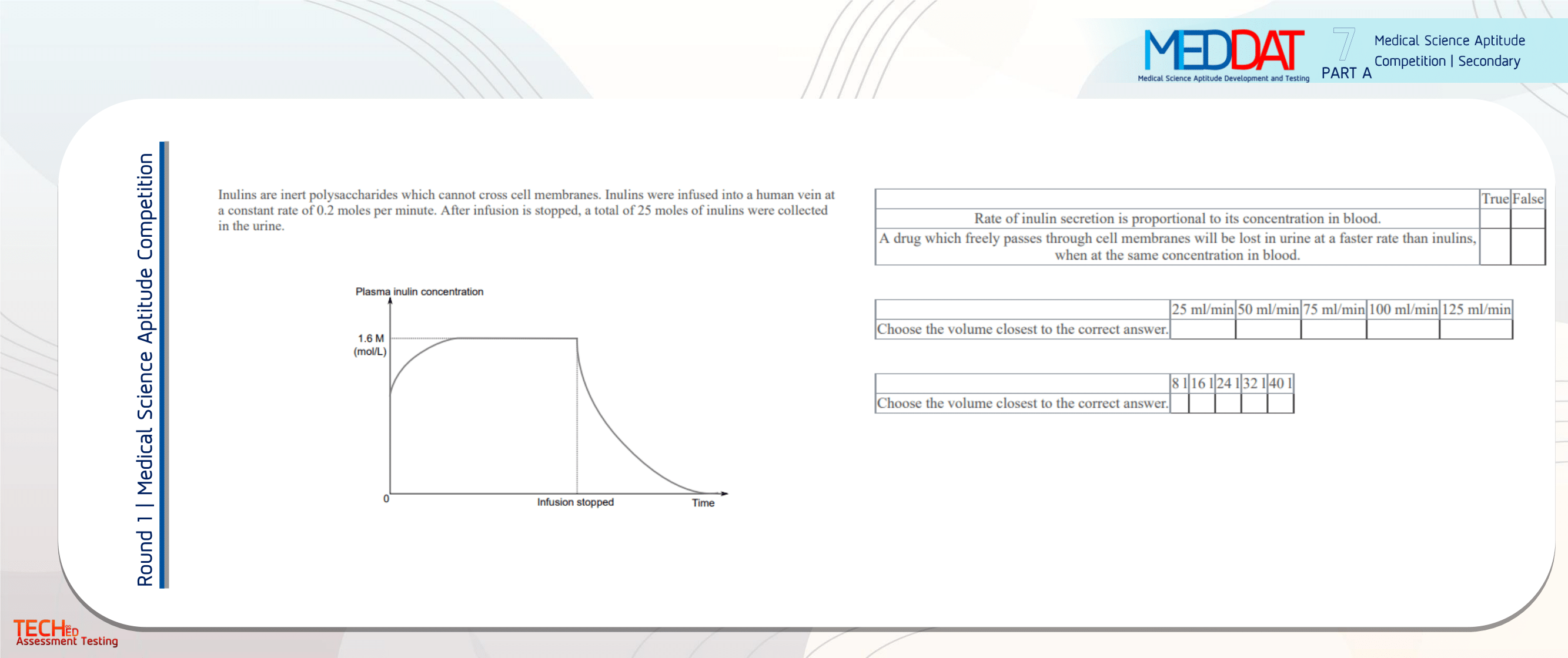
1.false it is not directly proportional to the concentration in blood.
2.true drug will be lost in urine at a faster rate than insulins if it pass through cell membrane
75 ml/min,81 |
|
During hypoglycemia, glucagon, adrenaline, free fatty acids, glycerol, and beta-OH-butyrate were higher in the LIS (P < 0.0001). Likewise, the IG concentration was significantly different (P < 0.0001). This was due to lower IG concentration than plasma glucose (PG) concentration during the euglycemic hyperinsulinemic phases in the HIS. In contrast, no difference was observed during hypoglycemia. This was the result of an unchanged PG/IG gradient during the entire LIS, while in the HIS, this gradient increased during the hyperinsulinemic euglycemia phase.
|
A high fasting plasma insulin concentration predicts type 2 diabetes independent of insulin resistance: evidence for a pathogenic role of relative hyperinsulinemia.
C Weyer, R L Hanson, P A Tataranni, C Bogardus and R E Pratley
Plasma Insulin Levels and Hypoglycemia Affect Subcutaneous Interstitial Glucose Concentration
Vanessa Moscardó et al. Diabetes Technol Ther. 2018 Apr.
|
7 |
-.50
-.25
+.25
เต็ม
0
-35%
+30%
+35%
|
| 9 |
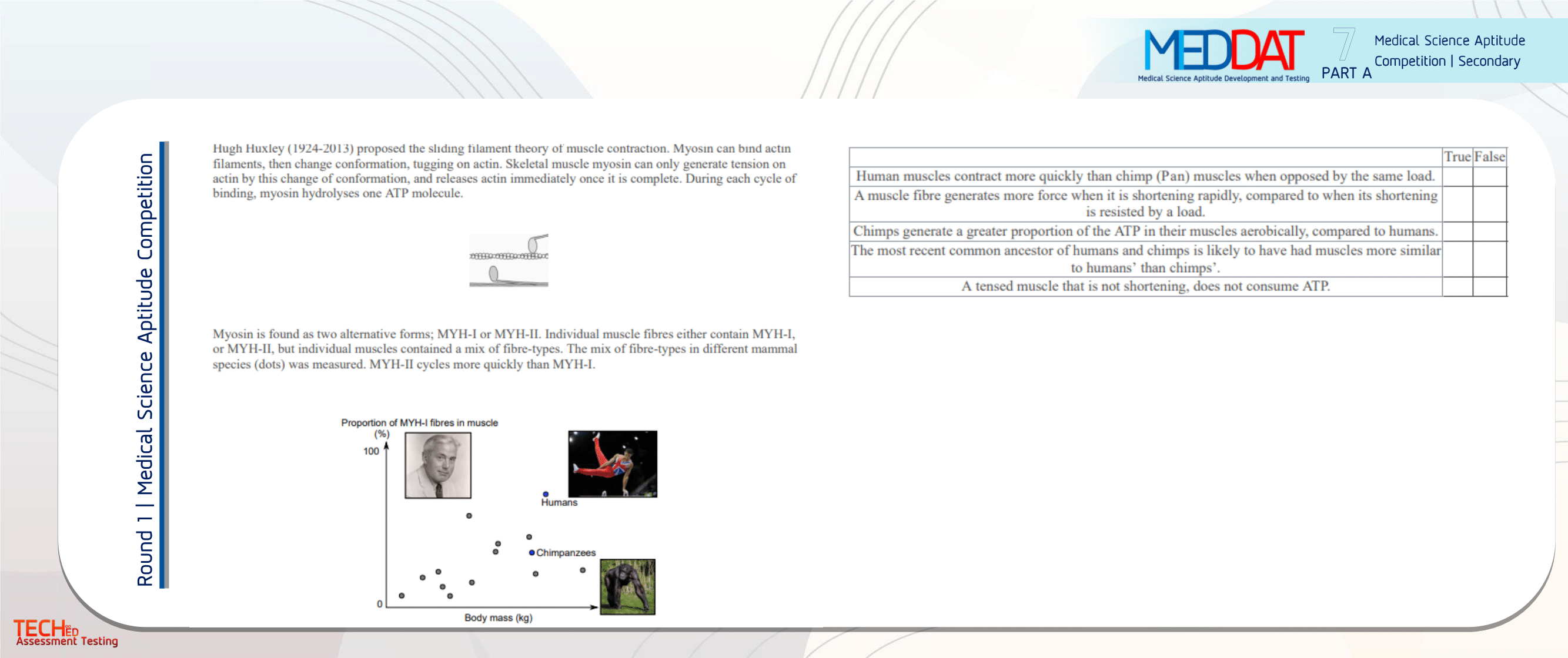
|
1.true 2.true 3.false 4.true 5.false |
|
the existence of an across-muscle phenotype with respect to fiber type proportions; some individuals display generally faster muscles and some individuals slower muscles when compared with others.
|
Intermuscular relationship of human muscle fiber type proportions: slow leg muscles predict slow neck muscles
Harald Vikne et al. Muscle Nerve. 2012 Apr.
|
7 |
-.50
-.25
+.25
เต็ม
0
-35%
+30%
+35%
|
| 10 |
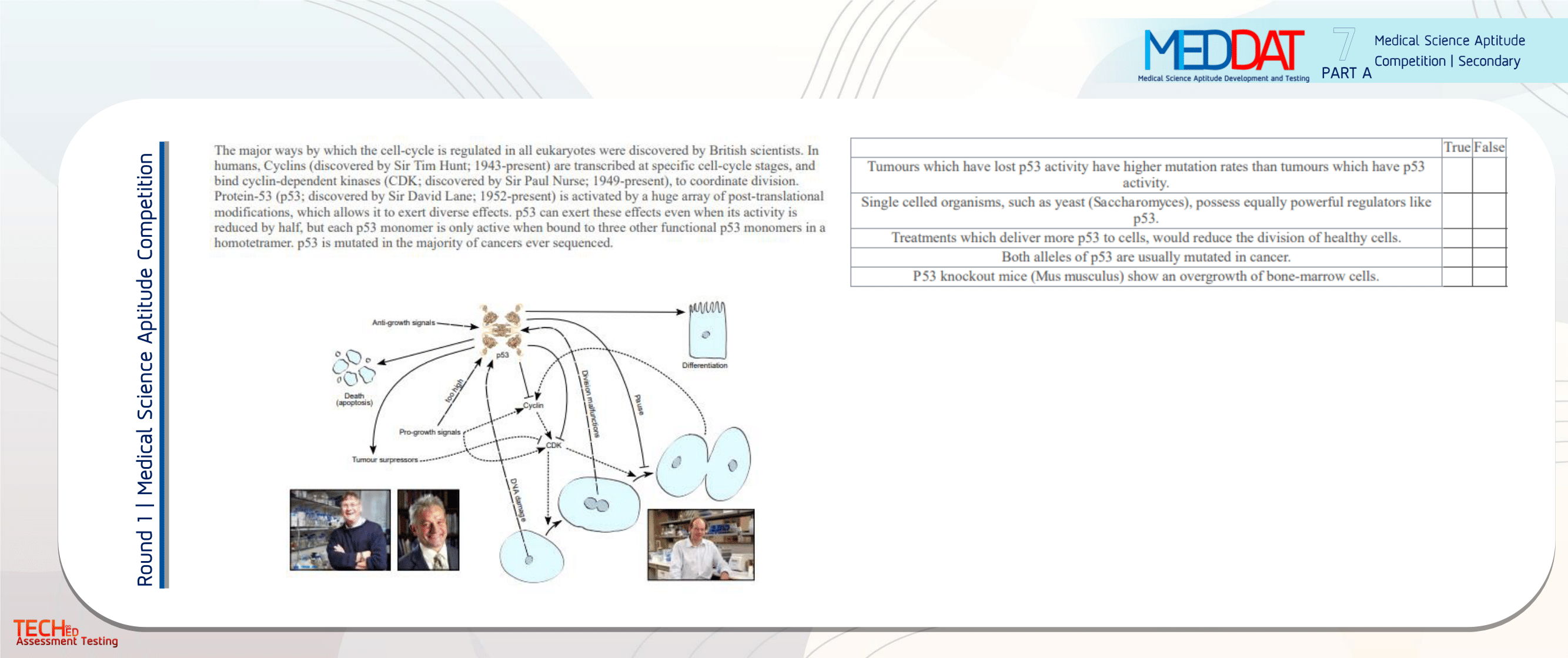
|
1.false 2.false 3.true 4.true 5.true |
|
The TP53 gene provides instructions for making a protein called tumor protein p53 (or p53). This protein acts as a tumor suppressor, which means that it regulates cell division by keeping cells from growing and dividing (proliferating) too fast or in an uncontrolled way.
The p53 protein is located in the nucleus of cells throughout the body, where it attaches (binds) directly to DNA. When the DNA in a cell becomes damaged by agents such as toxic chemicals, radiation, or ultraviolet (UV) rays from sunlight, this protein plays a critical role in determining whether the DNA will be repaired or the damaged cell will self-destruct (undergo apoptosis). If the DNA can be repaired, p53 activates other genes to fix the damage. If the DNA cannot be repaired, this protein prevents the cell from dividing and signals it to undergo apoptosis. By stopping cells with mutated or damaged DNA from dividing, p53 helps prevent the development of tumors.
|
Medicine Plus US. National Library of Medicine
|
7 |
-.50
-.25
+.25
เต็ม
0
-35%
+30%
+35%
|
| 11 |
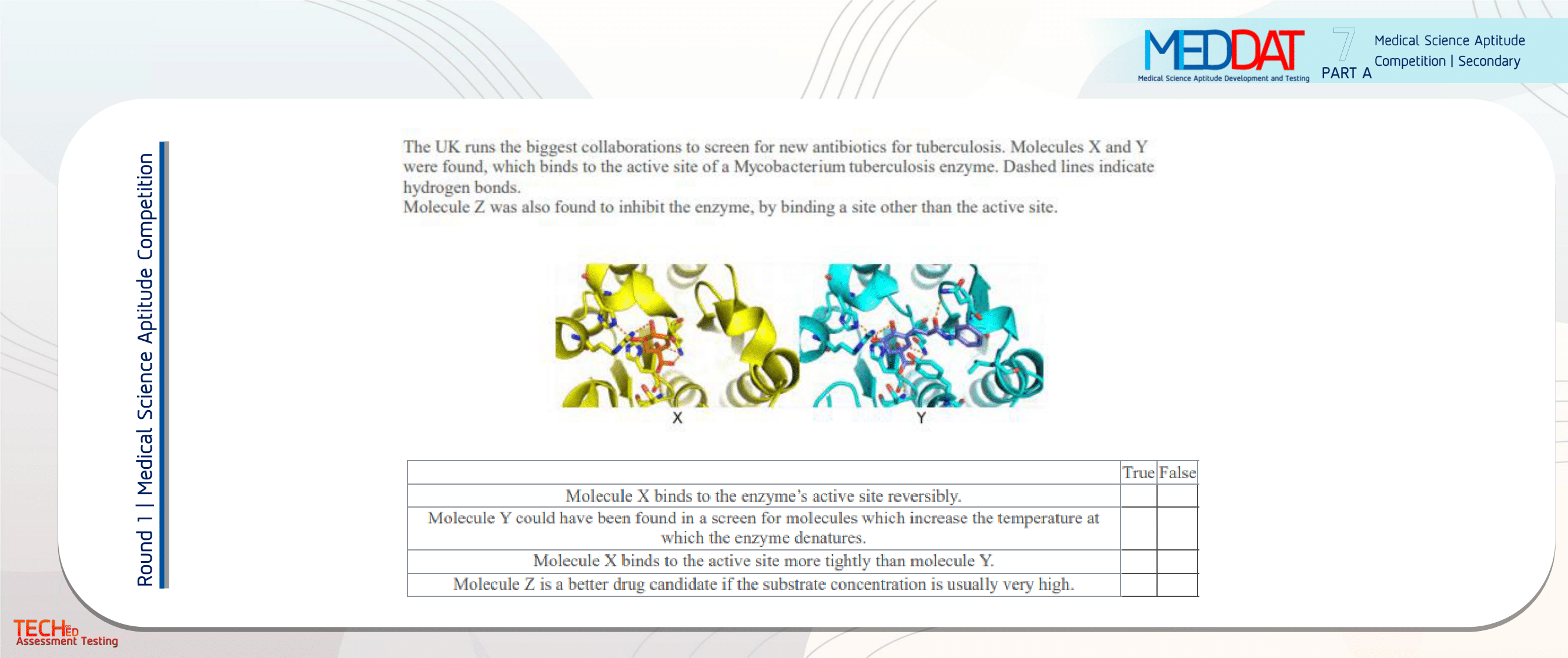
|
1.false 2.false 3.true 4.true |
|
Bacterial citrate lyase activity has been demonstrated in various eukaryotes, bacteria and archaea, underscoring their importance in energy metabolism of the cell. While the bacterial citrate lyase comprises of three different subunits, M. tuberculosis genome lacks CitD and CitF subunits of citrate lyase complex but encodes for 2 homologs of CitE subunits, Rv2498c and Rv3075c. Using temperature sensitive mycobacteriophages, we were able to generate both single and double citE mutant strains of M. tuberculosis. The survival experiments revealed increased susceptibility of the double mutant strain to oxidative stress in comparison to the parental strain. Also, simultaneous deletion of both citE1 and citE2 in M. tuberculosis genome resulted in impairment of intracellular replication in macrophages. The double mutant strain displayed reduced growth in lungs and spleens of guinea pigs. This is the first study demonstrating that M. tuberculosis critically requires CitE subunits of citrate lyase for pathogenesis. Taken together, these findings position these enzymes as potential targets for development of anti-tubercular small molecules.
|
CitE Enzymes Are Essential for Mycobacterium tuberculosis to Establish Infection in Macrophages and Guinea Pigs Garima Arora1,2, Deepika Chaudhary1,3, Saqib Kidwai1, Deepak Sharma4 and Ramandeep Singh1*
|
7 |
-.50
-.25
+.25
เต็ม
0
-35%
+30%
+35%
|
| 12 |
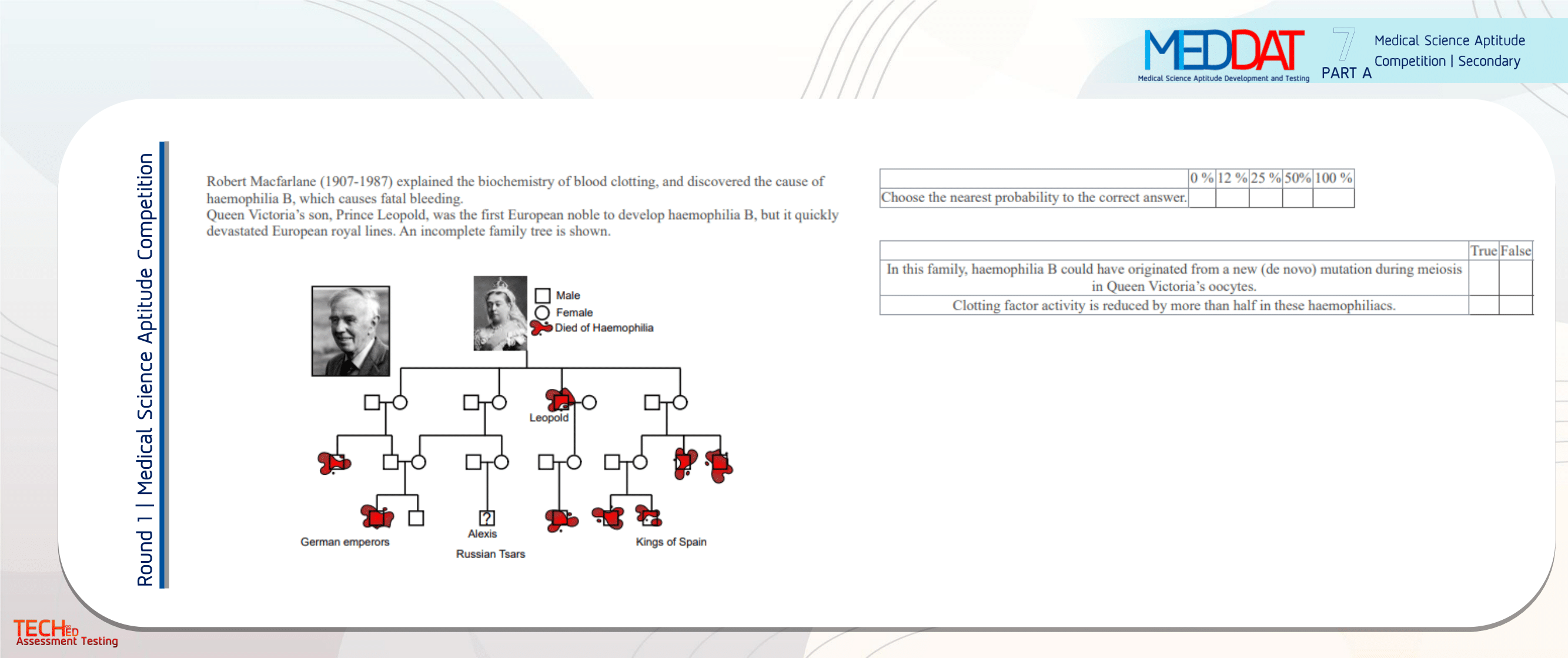
|
12%
True sine it could be possible to occur mutation during meiosis in Queen Victoria’s oocytes
False due to clotting factor activity does not reduce by more than a half as it noticed from the pedigree. |
|
The clotting mechanism is first on the list because it has been worked on for longest and the mass of data and speculation accumulated illustrates better than any other the pitfalls which beset any intensive investigation of a biological phenomenon. The reason for this almost obsessive interest is the dramatic end point, the spontaneous change from fluid blood to solid clot, and the ease with which endless experiments can be set up in vitro.
|
A. The blood clotting mechanism The development of a theory of blood coagulation
Robert Gwyn Macfarlane and givenName surName
|
7 |
-.50
-.25
+.25
เต็ม
0
-35%
+30%
+35%
|
| 13 |
|
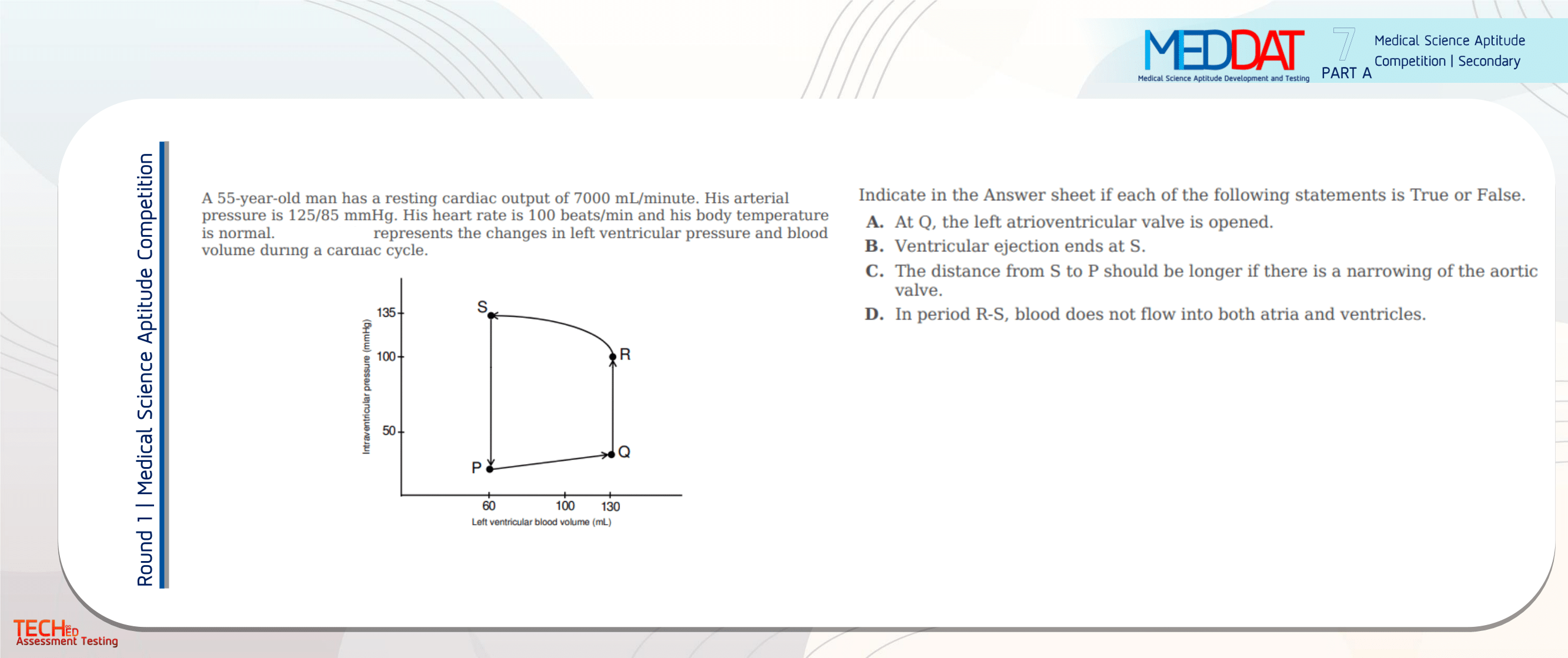
A is correct since left ventricle blood volume reached maximum number. |
|
Diastole represents the period of time when the ventricles are relaxed (not contracting).Throughout most of this period, blood is passively flowing from the left atrium (LA) and right atrium (RA) into the left ventricle (LV) and right ventricle (RV), respectively (see figure at right). The blood flows through atrioventricular valves (mitral and tricuspid) that separate the atria from the ventricles. The RA receives venous blood from the body through the superior vena cava (SVC) and inferior vena cava (IVC). The LA receives oxygenated blood from lungs through four pulmonary veins that enter the LA. At the end of diastole, both atria contract, which propels an additional amount of blood into the ventricles.
Systole represents the time during which the left and right ventricles contract and eject blood into the aorta and pulmonary artery, respectively. During systole, the aortic and pulmonic valves open to permit ejection into the aorta and pulmonary artery. The atrioventricular valves are closed during systole, therefore no blood is entering the ventricles; however, blood continues to enter the atria though the vena cavae and pulmonary veins.
|
Cardiovascular physiology concepts
|
7 |
-.50
-.25
+.25
เต็ม
0
-35%
+30%
+35%
|
| 14 |
|
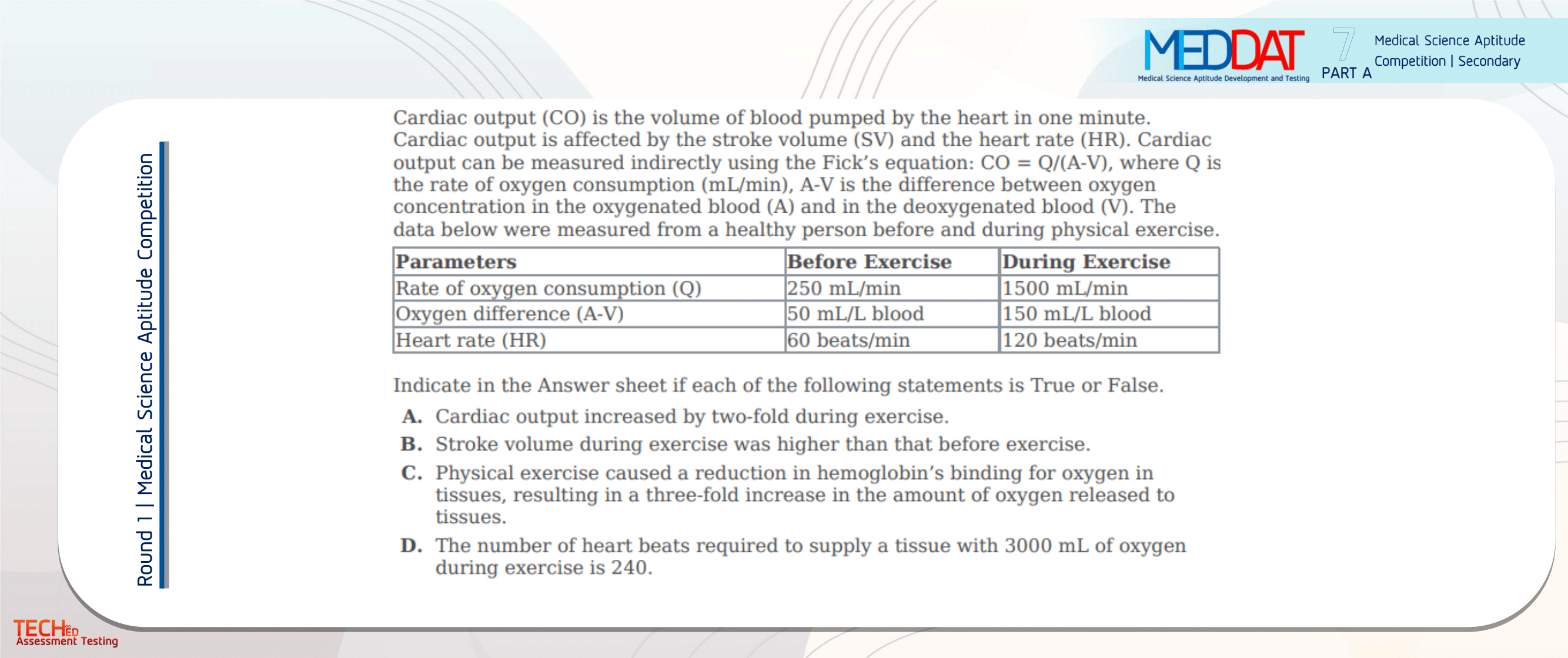
A. True
B.false
C.false
D.false |
|
The body’s demand for oxygen changes, such as during exercise, and the cardiac output is altered by modulating both heart rate (HR) and stroke volume (SV). As a result, the regulation of cardiac output is subject to a complex mechanism involving the autonomic nervous system, endocrine, and paracrine signaling pathways.
|
Physiology, Cardiac Output
King J, Lowery DR.
Publication Details
|
7 |
-.50
-.25
+.25
เต็ม
0
-35%
+30%
+35%
|
| 15 |
|
|
|
|
|
7 |
-.50
-.25
+.25
เต็ม
0
-35%
+30%
+35%
|
| 16 |
|
|
|
|
|
7 |
-.50
-.25
+.25
เต็ม
0
-35%
+30%
+35%
|
| 17 |
|
|
|
|
|
7 |
-.50
-.25
+.25
เต็ม
0
-35%
+30%
+35%
|
| 18 |
|
|
|
|
|
7 |
-.50
-.25
+.25
เต็ม
0
-35%
+30%
+35%
|
| 19 |
|
|
|
|
|
7 |
-.50
-.25
+.25
เต็ม
0
-35%
+30%
+35%
|
| 20 |
|
|
|
|
|
7 |
-.50
-.25
+.25
เต็ม
0
-35%
+30%
+35%
|