| 1 |
|
3. Smart Management |
|
Because smart management meaning you’re using the supplies in the best way possible from our smart management.
|
the study found that cities are implementing new business models for smart urban solutions in the areas of security, mobility, healthcare, energy, water, waste, engagement, and community.
|
7 |
-.50
-.25
+.25
เต็ม
0
-35%
+30%
+35%
|
| 2 |
|
2. The systematic and transparent process used to ensure research quality and relevance |
|
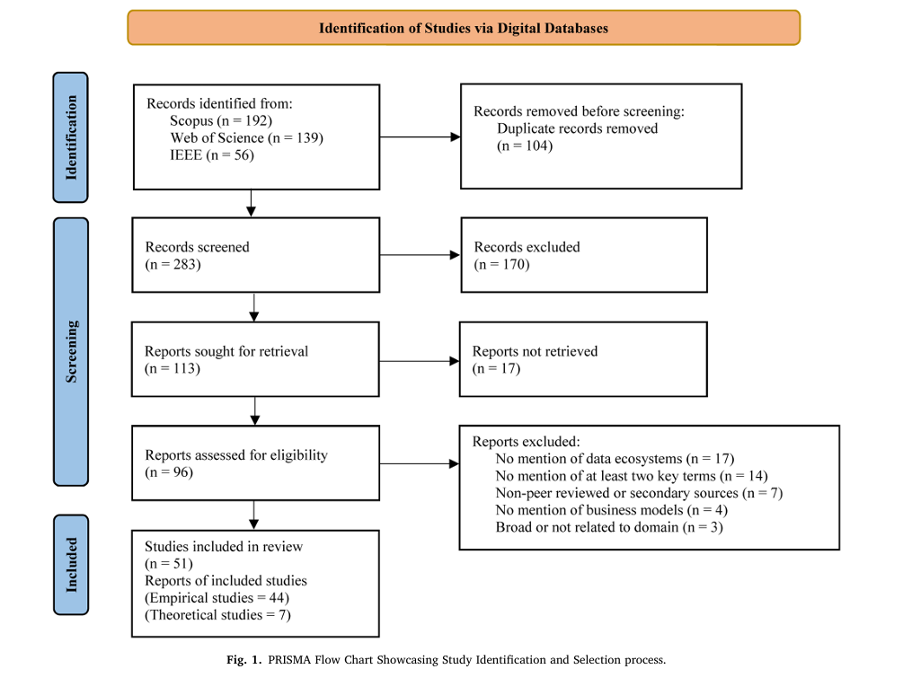
Because they’re some data’s like no mention of data ecosystems and some of other data’s are missing and it’s giving the information like it’s ensuring research quality.
|
articles categorised as any form of literature review, such as scoping, systematic, meta-analysis, and similar papers, were excluded.
|
7 |
-.50
-.25
+.25
เต็ม
0
-35%
+30%
+35%
|
| 3 |
Which statement best describes the primary aim of the study?
|
2. To propose a framework for smart and healthy city operational design. |
|
This article aiming for resilience for smart city business modeling framework.So the main goal is to study the propose of the framework in order to adapt to our lives.
|
framework in order to create and disseminate a further comprehensive and cohesive picture of a smart and healthy city.
|
7 |
-.50
-.25
+.25
เต็ม
0
-35%
+30%
+35%
|
| 4 |
The original Business Model Canvas (BMC) consists of how many fundamental building blocks?
|
3. Nine |
|
There’s nine blocks building BMC to producing distributing and collecting values.
|
The Osterwalder and Pigneur-developed business model canvas (BMC) is a commonly used framework for designing company models
|
7 |
-.50
-.25
+.25
เต็ม
0
-35%
+30%
+35%
|
| 5 |
Why did researchers modify the BMC for public administration use?
|
2. To include social and environmental values. |
|
It’s can advance values by enchanting common urban role, enhancing citizen satisfaction and providing street safety, air quality, etc.
|
Schiavone et al implying business model (BM) theory can be functional to both businesses (companies) and cities for organizations.
|
7 |
-.50
-.25
+.25
เต็ม
0
-35%
+30%
+35%
|
| 6 |
Which new components were proposed for the Smart and Healthy City BMC?
|
2. Preventive and therapeutic urbanism |
|
Merging smart city and healthy city together to make mobile and electronic health services plus improved focus along with a shared description to improve healthcare
|
Fig. 6. Set diagram for the health and smart city planes
|
7 |
-.50
-.25
+.25
เต็ม
0
-35%
+30%
+35%
|
| 7 |
Who are considered the “Network Beneficiaries” in SHC-BMC?
|
3. Communities, governments, researchers, and non-profits |
|
most smart city frameworks lack a structured business model that ensures sustainable funding, stakeholder collaboration, and scalable health innovations. The SHC-BMC integrates these elements, making smart and healthy city planning more actionable and economically viable.
|
Sharifi et al.
|
7 |
-.50
-.25
+.25
เต็ม
0
-35%
+30%
+35%
|
| 8 |
How does SHC-BMC contribute to SDG 11?
|
2. Through integrating health, innovation, and sustainable urban design |
|
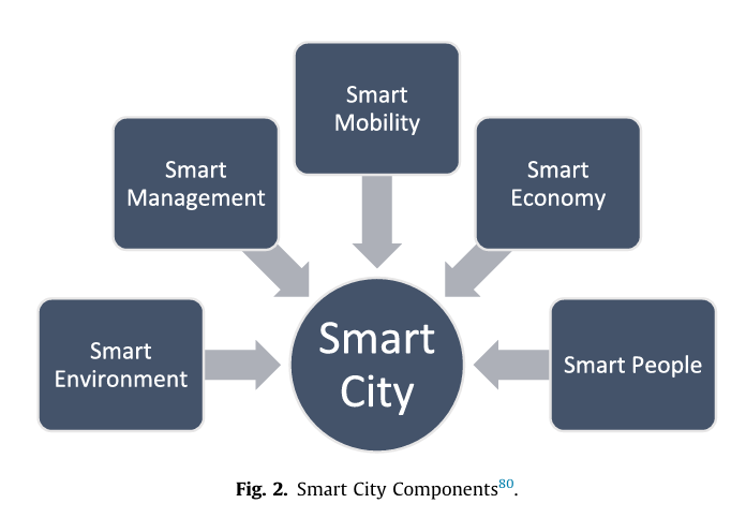
the study found that cities are implementing new business models for smart urban solutions in the areas of security, mobility, healthcare, energy, water, waste, engagement, and community
|
Fig. 2. Smart City Components
|
7 |
-.50
-.25
+.25
เต็ม
0
-35%
+30%
+35%
|
| 9 |
What role does the Health Belief Model play in this research?
|
2. It provides a psychological basis for citizens’ health behaviors. |
|
and (2) information regarding COVID-19, keeping the citizens informed about health guidelines, prevention measures and services related to COVID-19
|
Fig. 8. SHC-BMC of Jakarta, Indonesia.
|
7 |
-.50
-.25
+.25
เต็ม
0
-35%
+30%
+35%
|
| 10 |
Who will benefit most from applying SHC-BMC?
|
2. Policymakers, planners, and investors |
|
the canvas is designed to help these actors design, communicate and operationalise smart-and-healthy city business models.
|
Table 1. List of relevant references to each element in SHC-BMC framework.
|
7 |
-.50
-.25
+.25
เต็ม
0
-35%
+30%
+35%
|
| 11 |
Why is co-creation critical to smart and healthy city frameworks?
|
3. It ensures diverse stakeholder input for innovation and resilience. |
|
A framework in order to create and disseminate a further comprehensive and cohesive picture of a smart and healthy city operational design is offered by a modified BMC proposal, the so-called BMC of smart and healthy city (SHC)
|
Abstract
|
7 |
-.50
-.25
+.25
เต็ม
0
-35%
+30%
+35%
|
| 12 |
What does “CBBM” primarily emphasize?
|
2. Community and data-driven collaboration |
|
When BMs emphasise people’s involvement, altruism, open knowledge-sharing, collective ownership, and mutual benefits, they transform and become known as Community-based Business Models (CBBMs)
|
Introduction
|
7 |
-.50
-.25
+.25
เต็ม
0
-35%
+30%
+35%
|
| 13 |
Which of the following is NOT listed as a benefit of CBBM?
|
4. Reduction of stakeholder engagement |
|
CBBM promotes greater stakeholder engagement, improved communication, flexibility, and shared competitive advantage.
|
3.5.1. Significant operational benefits
|
7 |
-.50
-.25
+.25
เต็ม
0
-35%
+30%
+35%
|
| 14 |
What is identified as a major barrier to implementing data-driven models?
|
2. High cost and regulatory restrictions |
|
The most prominent barrier was the high cost of implementation, which occurs after rethinking and innovating a business model.
|
Conclusion
|
7 |
-.50
-.25
+.25
เต็ม
0
-35%
+30%
+35%
|
| 15 |
Why does the forestry sector lag behind agriculture in CBBM adoption?
|
2. Longer production cycles and ecological variability |
|
This lack of focus could be explained by the fact that monetary gain often tends not to be the sole aim of CBBMs. which have a comparably slower technological uptake
|
Introduction
|
7 |
-.50
-.25
+.25
เต็ม
0
-35%
+30%
+35%
|
| 16 |
Which regulation is cited as a legal barrier to data-driven business models?
|
2. General Data Protection Regulation (GDPR) |
|
|
|
7 |
-.50
-.25
+.25
เต็ม
0
-35%
+30%
+35%
|
| 17 |
What human-related barrier affects data-driven CBBMs?
|
2. Shortage of skilled employees in data analytics |
|
|
|
7 |
-.50
-.25
+.25
เต็ม
0
-35%
+30%
+35%
|
| 18 |
How can forestry benefit from data-driven models according to Mann et al.?
|
1. Through community recreation and educational initiatives |
|
|
|
7 |
-.50
-.25
+.25
เต็ม
0
-35%
+30%
+35%
|
| 19 |
What concept ensures competitiveness in data-driven CBBMs?
|
1. Resource isolation |
|
|
|
7 |
-.50
-.25
+.25
เต็ม
0
-35%
+30%
+35%
|
| 20 |
Why are long-term partnerships considered both a benefit and a barrier?
|
2. They ensure stability but are hard to maintain. |
|
|
|
7 |
-.50
-.25
+.25
เต็ม
0
-35%
+30%
+35%
|