| 1 |
|
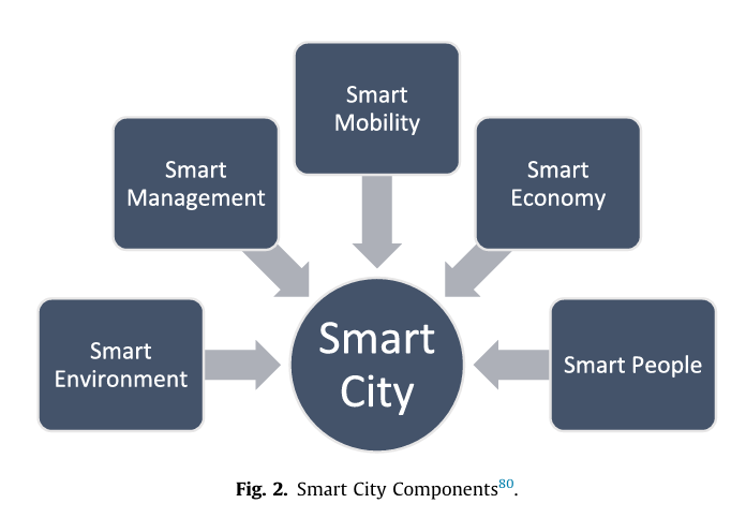
5. Smart People |
|
As Giourka et al. mentioned, Smart people's network is essential to developing the design of the city and handling the complexity of the urban environment, considering social and health aspects.
|
The smart and healthy city business model Canvas page 5, third paragraph
|
7 |
-.50
-.25
+.25
เต็ม
0
-35%
+30%
+35%
|
| 2 |
|
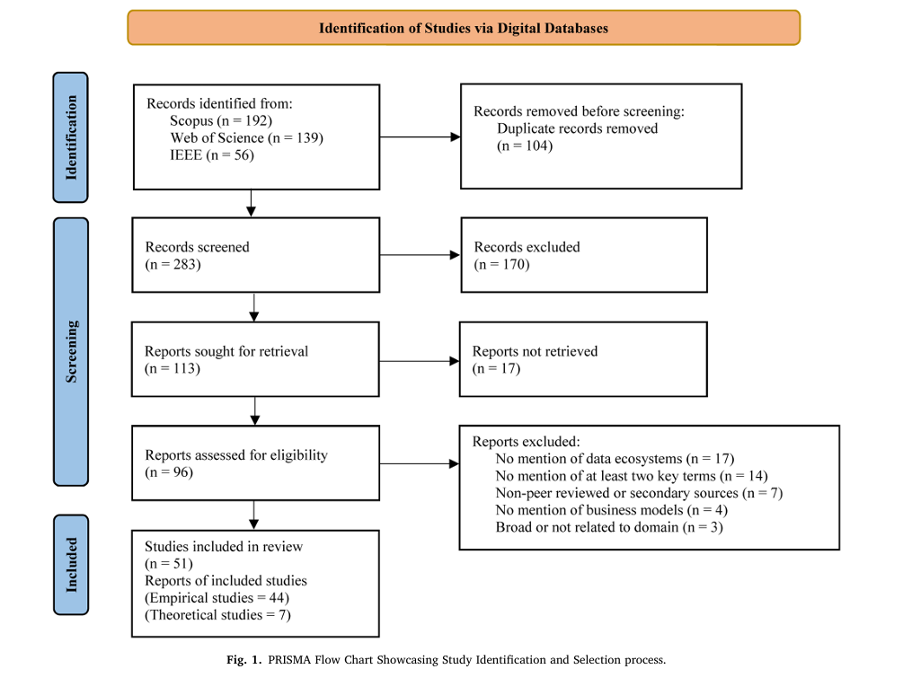
2. The systematic and transparent process used to ensure research quality and relevance |
|
Through using the PRISMA flow chart, this study values the quality and validity to enhance the efficiency of its findings.
|
Community-based business models for agricultural and forestry data ecosystem, page 2, 2.2. Preliminary screening and study retrieval
|
7 |
-.50
-.25
+.25
เต็ม
0
-35%
+30%
+35%
|
| 3 |
Which statement best describes the primary aim of the study?
|
2. To propose a framework for smart and healthy city operational design. |
|
This study aims to analyze the urban design and create a smart and healthy city, considering health issues due to the COVID-19 pandemic, which has significantly affected the residents' lifestyle, such as work from home and online shopping.
|
The smart and healthy city business model Canvas Abstract, page 1 and Introduction, page 2, second paragraph
|
7 |
-.50
-.25
+.25
เต็ม
0
-35%
+30%
+35%
|
| 4 |
The original Business Model Canvas (BMC) consists of how many fundamental building blocks?
|
3. Nine |
|
The original BMC was made from 9 building blocks, including Customer Segments, Value Propositions, Channels, Customer Relationships, Revenue Streams, Key Activities, Key Resources, Key Partners, and Cost Structure, to create and deliver value to the customers.
|
The smart and healthy city business model Canvas, The elements of business model structure, page 5
|
7 |
-.50
-.25
+.25
เต็ม
0
-35%
+30%
+35%
|
| 5 |
Why did researchers modify the BMC for public administration use?
|
4. To reduce government expenses. |
|
As Blank and Giourka et al said, in order to drive the non-profit organization, the involved stakeholders have to manage the resources and reduce government expenses to solve the problem.
|
The smart and healthy city business model Canvas, The elements of business model structure, page 6.
|
7 |
-.50
-.25
+.25
เต็ม
0
-35%
+30%
+35%
|
| 6 |
Which new components were proposed for the Smart and Healthy City BMC?
|
2. Preventive and therapeutic urbanism |
|
These components were used for the resilience strategy, preparing for the future impacts of a pandemic crisis, focusing on citizen engagement, and supporting SDG 11 to build a sustainable city and community.
|
The smart and healthy city business model Canvas, page 7, Table 1, page 9, page 10, second paragraph, and page 11
|
7 |
-.50
-.25
+.25
เต็ม
0
-35%
+30%
+35%
|
| 7 |
Who are considered the “Network Beneficiaries” in SHC-BMC?
|
3. Communities, governments, researchers, and non-profits |
|
These are all target groups in the smart city ecosystem who are encouraged to address the issues and collaboratively create the solutions.
|
The smart and healthy city business model Canvas, page 8, third paragraph
|
7 |
-.50
-.25
+.25
เต็ม
0
-35%
+30%
+35%
|
| 8 |
How does SHC-BMC contribute to SDG 11?
|
2. Through integrating health, innovation, and sustainable urban design |
|
It contributed to SDG 11 by connecting sustainable value creation to build a sustainable urban organizational design.
|
The smart and healthy city business model Canvas, page 8, second paragraph, and page 11
|
7 |
-.50
-.25
+.25
เต็ม
0
-35%
+30%
+35%
|
| 9 |
What role does the Health Belief Model play in this research?
|
2. It provides a psychological basis for citizens’ health behaviors. |
|
The medical science, with diverse user experiences, provided by the Health Belief Model, is used for physiological and psychological needs for a therapeutic smart city design.
|
The smart and healthy city business model Canvas, page 11, third paragraph
|
7 |
-.50
-.25
+.25
เต็ม
0
-35%
+30%
+35%
|
| 10 |
Who will benefit most from applying SHC-BMC?
|
2. Policymakers, planners, and investors |
|
Applying SHC-BMC will benefit policymakers, planners, and investors in making decisions with investment strategies.
|
The smart and healthy city business model Canvas, page 3, eighth paragraph
|
7 |
-.50
-.25
+.25
เต็ม
0
-35%
+30%
+35%
|
| 11 |
Why is co-creation critical to smart and healthy city frameworks?
|
3. It ensures diverse stakeholder input for innovation and resilience. |
|
|
|
7 |
-.50
-.25
+.25
เต็ม
0
-35%
+30%
+35%
|
| 12 |
What does “CBBM” primarily emphasize?
|
2. Community and data-driven collaboration |
|
CBBMs primarily emphasize the people’s involvement, altruism, open knowledge sharing, collective ownership, and mutual benefits. Moreover, it emerged with the digitalization and data-driven solutions to create a more innovative community.
|
Community-based business models for agricultural and forestry data ecosystem, page 1, second and third paragraphs.
|
7 |
-.50
-.25
+.25
เต็ม
0
-35%
+30%
+35%
|
| 13 |
Which of the following is NOT listed as a benefit of CBBM?
|
4. Reduction of stakeholder engagement |
|
CBBM will benefit the stakeholders to manage resources, plan, and make decisions effectively.
|
Community-based business models for agricultural and forestry data ecosystem, page 2, second paragraph.
|
7 |
-.50
-.25
+.25
เต็ม
0
-35%
+30%
+35%
|
| 14 |
What is identified as a major barrier to implementing data-driven models?
|
2. High cost and regulatory restrictions |
|
Due to their high cost of implementation, data-driven models are difficult to afford, requiring rethinking and innovating a business model.
|
Community-based business models for agricultural and forestry data ecosystem, page 12, first paragraph
|
7 |
-.50
-.25
+.25
เต็ม
0
-35%
+30%
+35%
|
| 15 |
Why does the forestry sector lag behind agriculture in CBBM adoption?
|
2. Longer production cycles and ecological variability |
|
Because the forestry focuses on biomass production, which is a financial return from goods, the innovation and the digitalization are ignored.
|
Community-based business models for agricultural and forestry data ecosystem page 11, ninth paragraph
|
7 |
-.50
-.25
+.25
เต็ม
0
-35%
+30%
+35%
|
| 16 |
Which regulation is cited as a legal barrier to data-driven business models?
|
3. International Data Exchange Act |
|
|
|
7 |
-.50
-.25
+.25
เต็ม
0
-35%
+30%
+35%
|
| 17 |
What human-related barrier affects data-driven CBBMs?
|
2. Shortage of skilled employees in data analytics |
|
Due to the requirement of high skills in implementation, the lack of skills among employees significantly affects data-driven CBBMs in Data Analytics.
|
Community-based business models for agricultural and forestry data ecosystem, page 10, last paragraph, and page 11, fourth paragraph
|
7 |
-.50
-.25
+.25
เต็ม
0
-35%
+30%
+35%
|
| 18 |
How can forestry benefit from data-driven models according to Mann et al.?
|
1. Through community recreation and educational initiatives |
|
|
Community-based business models for agricultural and forestry data ecosystem
|
7 |
-.50
-.25
+.25
เต็ม
0
-35%
+30%
+35%
|
| 19 |
What concept ensures competitiveness in data-driven CBBMs?
|
3. Financial austerity |
|
|
|
7 |
-.50
-.25
+.25
เต็ม
0
-35%
+30%
+35%
|
| 20 |
Why are long-term partnerships considered both a benefit and a barrier?
|
2. They ensure stability but are hard to maintain. |
|
Because of the complexity of implementations and integrations, the long-term partnerships are considered both a benefit and a barrier.
|
Community-based business models for agricultural and forestry data ecosystem, page 12, first paragraph
|
7 |
-.50
-.25
+.25
เต็ม
0
-35%
+30%
+35%
|