| 1 |
|
A is False
B is True
C is True
D is False |
|
Chymotrypsin like Protease or Main protease (Mpro) is one of the two crucial proteolytic enzymes that help in cleaving the replicase polyprotein 1ab in SARS-CoV-2. The Mpro, which is also known as non-structural protein 5 (nsp5), is 306 amino acid
|
https://www.ncbi.nlm.nih.gov/pmc/articles/PMC7476961/
|
7 |
-.50
-.25
+.25
เต็ม
0
-35%
+30%
+35%
|
| 2 |
|
A is False
B is True
C is True
D is True |
|
Noise–stress concept and the adverse health consequences in humans. (A) Noise reaction model for the direct (auditory) and indirect (non-auditory) effects of noise exposure. Adapted from ref.57 with permission; Copyright © 2014, Oxford University Press. (B) Neuronal activation (arousals), e.g. by noise exposure, causes signalling via the hypothalamic–pituitary–adrenocortical (HPA) axis and sympathetic nervous system (SNS) via corticotrophin-releasing factor (CRF) in the pituitary gland and adrenocorticotropic hormone (ACTH) in the adrenal gland leading to activation of other neurohormones (e.g. the renin–angiotensin–aldosterone system), inflammation and oxidative stress. The adverse effects of cortisol (or corticosterone) and catecholamines on cardiovascular function and molecular targets are well characterized. Adapted from ref.58 with permission; Copyright © 2013, Campos-Rodríguez et al.; Creative Commons Attribution License (CC BY). (C) Neuronal activation (arousals) and subsequent atherosclerosis with a higher cardiovascular risk by noise exposure was proven in subjects by 18F-PET scans indicating an association of amygdala activation, coronary inflammation, and increased incidence of major adverse cardiovascular events (MACE). Adapted from refs59,60 with permission; Copyright © 2019, Oxford University Press. (D) Flow-mediated dilation (FMD) is measured by high-resolution B-mode ultrasound. Schematic presentation of adverse effects of simulated nighttime aircraft or train noise (either 30 or 60 events for one night) vs. unexposed control group (CTR) on FMD of the brachial artery in response to post-ischaemic hyperaemia and the beneficial acute effects of the antioxidant vitamin C. Results of own studies refs.
|
https://academic.oup.com/cardiovascres/article/118/14/2880/6381568
|
7 |
-.50
-.25
+.25
เต็ม
0
-35%
+30%
+35%
|
| 3 |
|
A is False
B is False
C is False
D is True |
|
Technological advances have made a new approach
to epidemiology possible: molecular epidemiology
relates genomic variations among individuals to their
sensitivity to radiation carcinogenesis. Similar tech�nological ad vances have enabled a high-throughput
approach to radiation biology in which biomarkers (eg,
DNA, RNA, protein, metabolites, or chromosomes)
associated with detrimental outcomes of radiation, such
as cancer, are identifi ed
|
https://sci-hub.se/https://doi.org/10.1016/S0140-6736(15)61167-9
|
7 |
-.50
-.25
+.25
เต็ม
0
-35%
+30%
+35%
|
| 4 |
|
|
|
identified five natural compounds- baicalin, hesperetin, scutellarin, nicotianamine, and glycyrrhizin that could potently bind to ACE-2 by molecular docking studies [158]. Incidentally, glycyrrhizin (Fig. 23 ), a triterpene saponin found in liqourice roots, has been previously reported to inhibit the replication of SARS-CoV [159], [160]. A derivative of glycyrrhizin with 2-acetamido-β-d-glucopyranosyl amine into the glycoside chain showed 10-fold increased activity in vitro against SARS-CoV. An amine derivative of glycyrrhizin and the conjugates of glycyrrhizin with two amino acid residues and a free 30-COOH function showed 70-fold increased activity against SARS-CoV. However, these modifications also increased cytotoxicity [161]. Since the safety and toxicity profiles of glycyrrhizin are well established, further studies are needed to establish the efficacy of glycyrrhizin against SARS-CoV-2.
|
https://www.ncbi.nlm.nih.gov/pmc/articles/PMC7476961/
|
7 |
-.50
-.25
+.25
เต็ม
0
-35%
+30%
+35%
|
| 5 |

|
A is True
B is False
C is False
D is Truw |
|
the number of new infections increases in the first generation by a factor equal to the reproduction number R. The number of available susceptible individuals is depleted in the course of the epidemic. When the last infected person fails to contact any susceptible person, the epidemic dies out.
|
https://www.ncbi.nlm.nih.gov/pmc/articles/PMC7178885/
|
7 |
-.50
-.25
+.25
เต็ม
0
-35%
+30%
+35%
|
| 6 |
|
A is False
B is False
C is False
D is True |
|
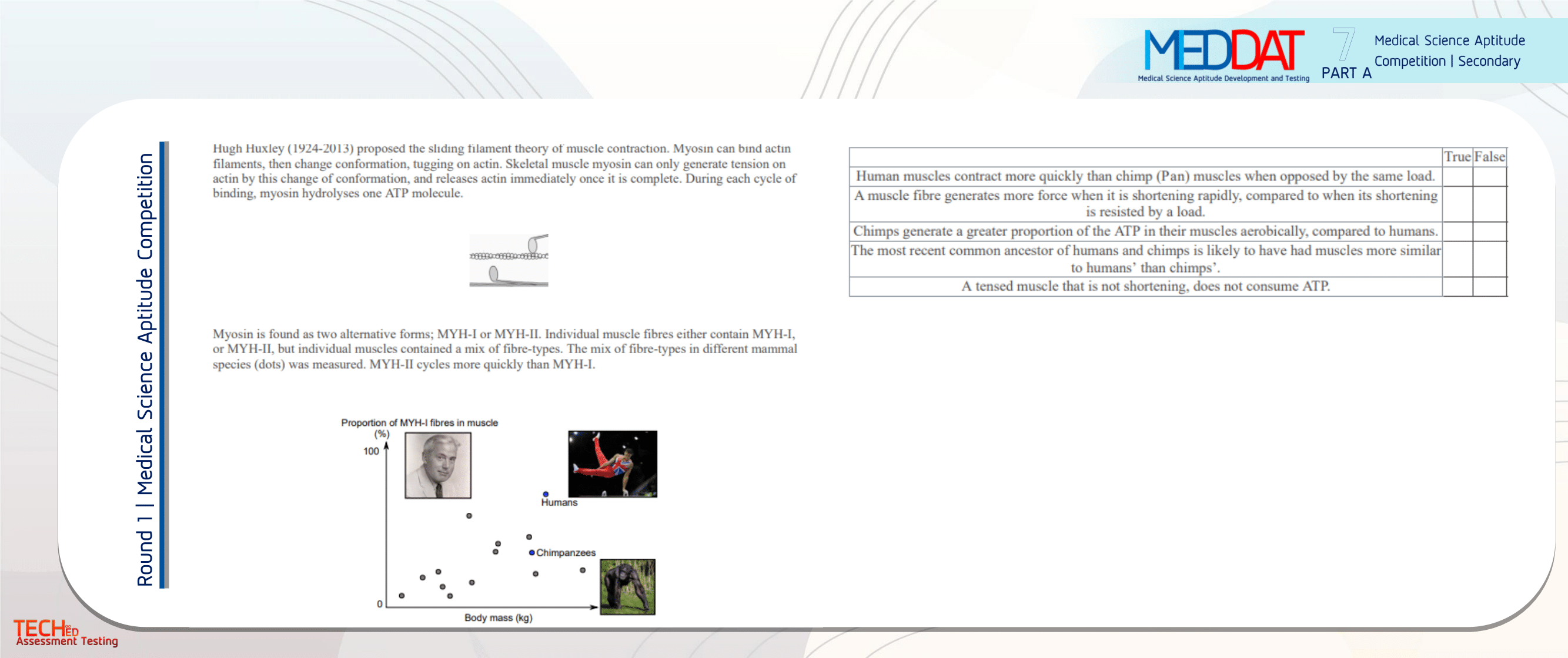
The infection attack rate is the total proportion of the population that is eventually infected during the epidemic, and it is denoted by A. This infection attack rate is completely determined by the reproduction number R and the contact process that describes who contacts whom (Fig. 12.3). To illustrate the basic shape of the relation between the reproduction number R and the infection attack rate A, we suppose that infectious contacts are made at random.
|
https://www.ncbi.nlm.nih.gov/pmc/articles/PMC7178885/
|
7 |
-.50
-.25
+.25
เต็ม
0
-35%
+30%
+35%
|
| 7 |
|
A is False
B is True
C is True
D is True |
|
that without the transfusion the red blood cell loss is 2000-1213 = 787 ml.
With the transfusion the patient starts with 1649 ml of red blood cells and ends up with
1000; a loss of 649 ml. There is a net savings of 138 ml of red blood cells. This savings
may in fact not be large enough to justify the procedure; it must be balanced with overall
expense, risks associated with ANH, and the risk of an adverse reaction to blood the patient
may have to receive from a blood bank after the operation (see M. E. Brecher and
M. Rosenfeld, Mathematical and computer modeling of acute normovolemic hemodilution,
Transfusion 1994 (34), 176-179). But it is noteworthy that a simple freshman-calculus model
applies to the basic situation.
|
https://drive.google.com/file/d/1v2CevbkkIH1NLNESIAXWuHwdxCm9VsjM/view
|
7 |
-.50
-.25
+.25
เต็ม
0
-35%
+30%
+35%
|
| 8 |
|
True
Fals36 ml/min
241 |
|
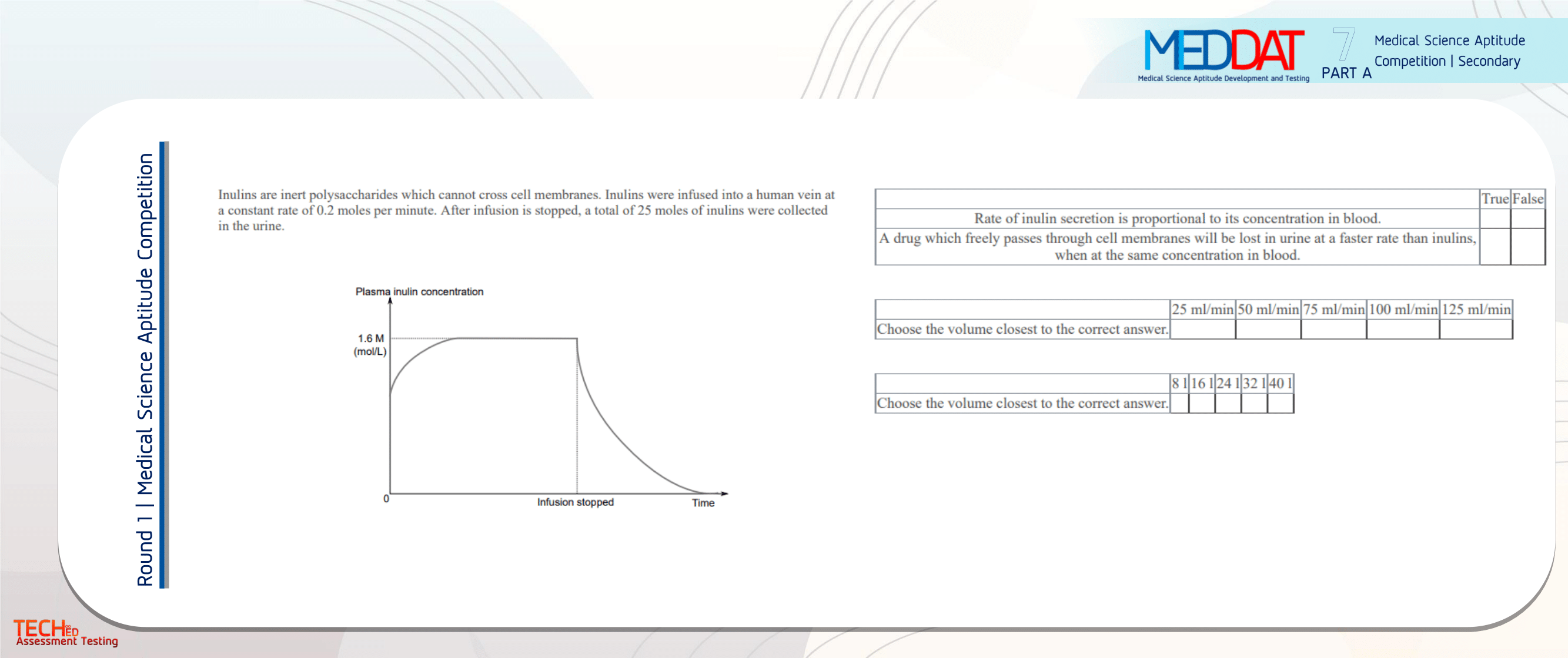
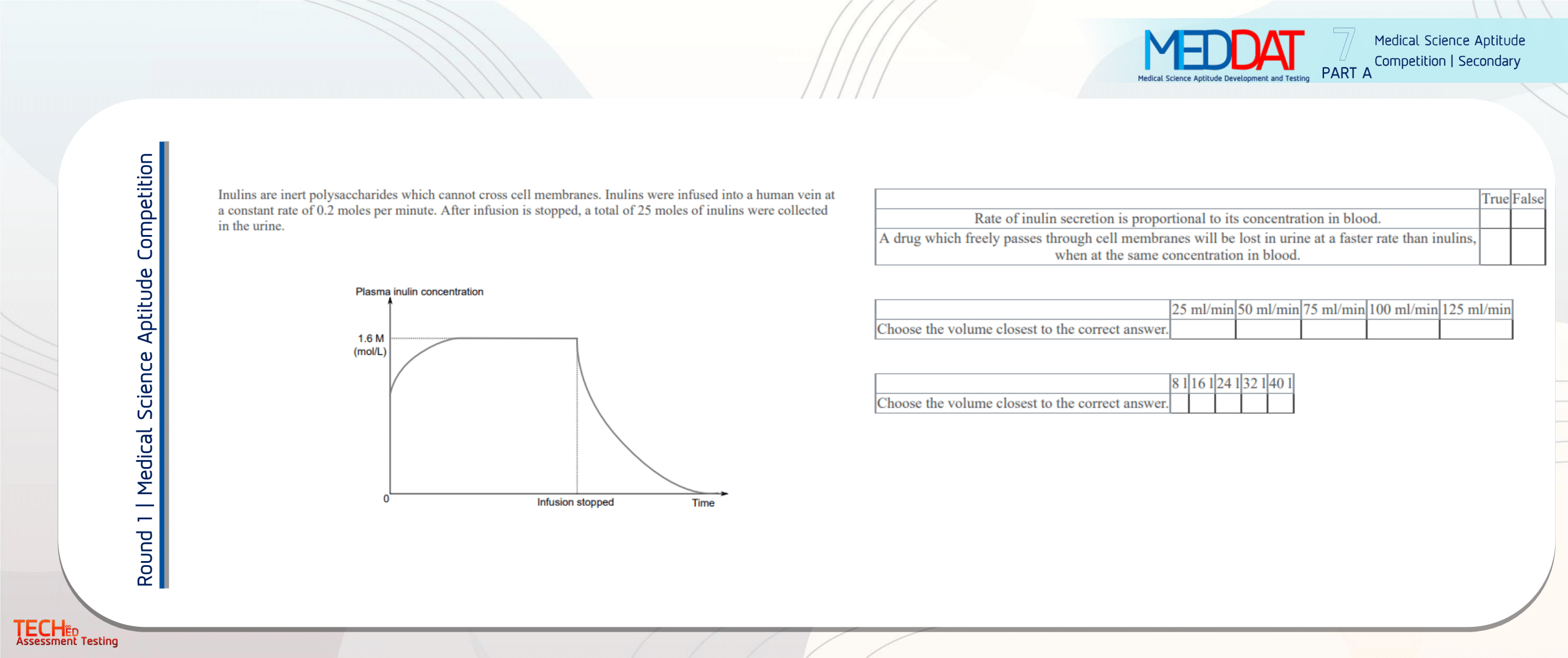
This provides us with a simple and robust relation that indicates what would happen if a new infection were to hit a completely susceptible population:
|
https://www.ncbi.nlm.nih.gov/pmc/articles/PMC7178885/
|
7 |
-.50
-.25
+.25
เต็ม
0
-35%
+30%
+35%
|
| 9 |
|
True
False
False
True |
|
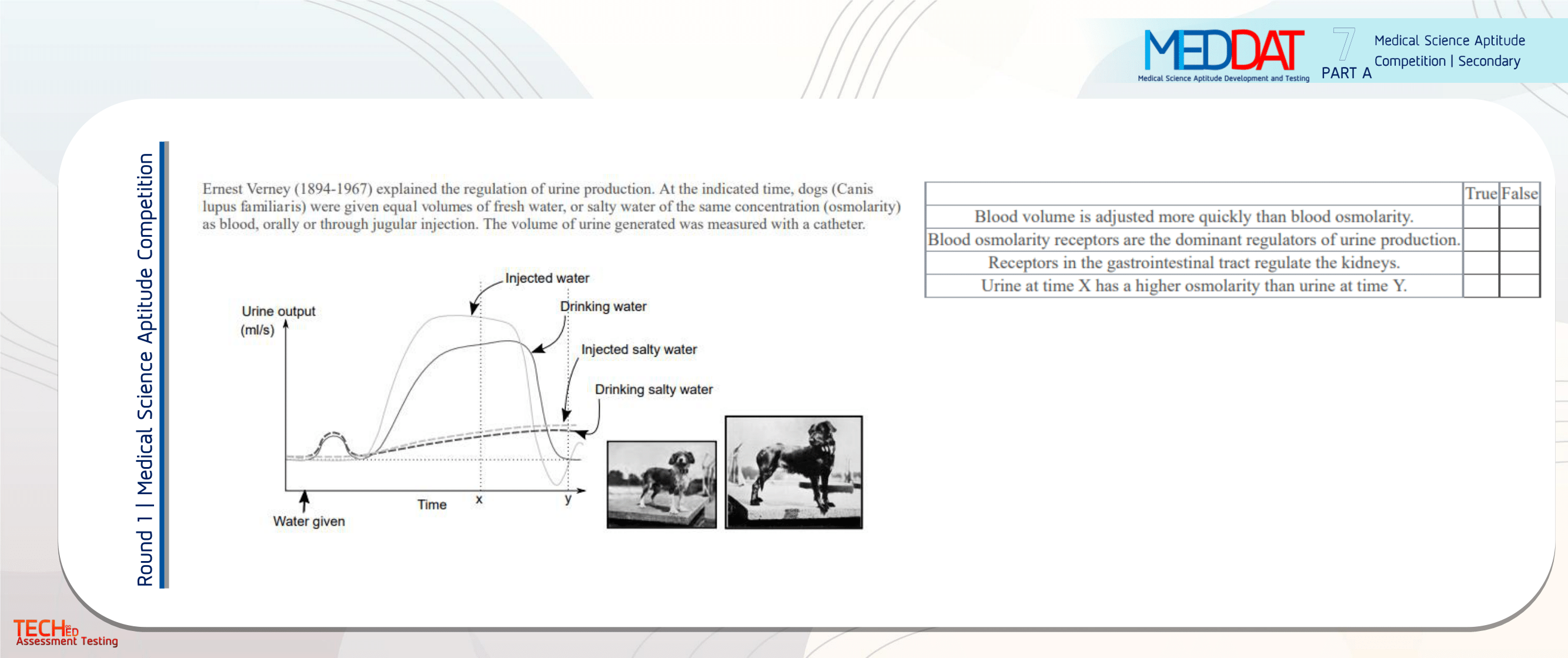
Abbreviations: IO, immunotherapy, TNBC, triple negative breast cancer; TMB, tumor mutational burden; ADC, antibody-drug conjugate; ER, estrogen receptor; CD, cluster of differentiation; TILs, tumor infiltrating lymphocytes; PD-L1, Programmed death-ligand 1; HLA, human leukocyte antigen; PD-1, Programmed cell death protein 1; A, adenosine; T, thymine; C, cytosine; G, guanine; BRCA, BReast CAncer gene; EFS, event-freee survival; RD, residual disease; me1, mono-methylated form; BC, breast cancer. Created with biorender.com.
|
https://www.nature.com/articles/s41523-022-00386-1
|
7 |
-.50
-.25
+.25
เต็ม
0
-35%
+30%
+35%
|
| 10 |
|
A is False
B is False
C is True
D is True |
|
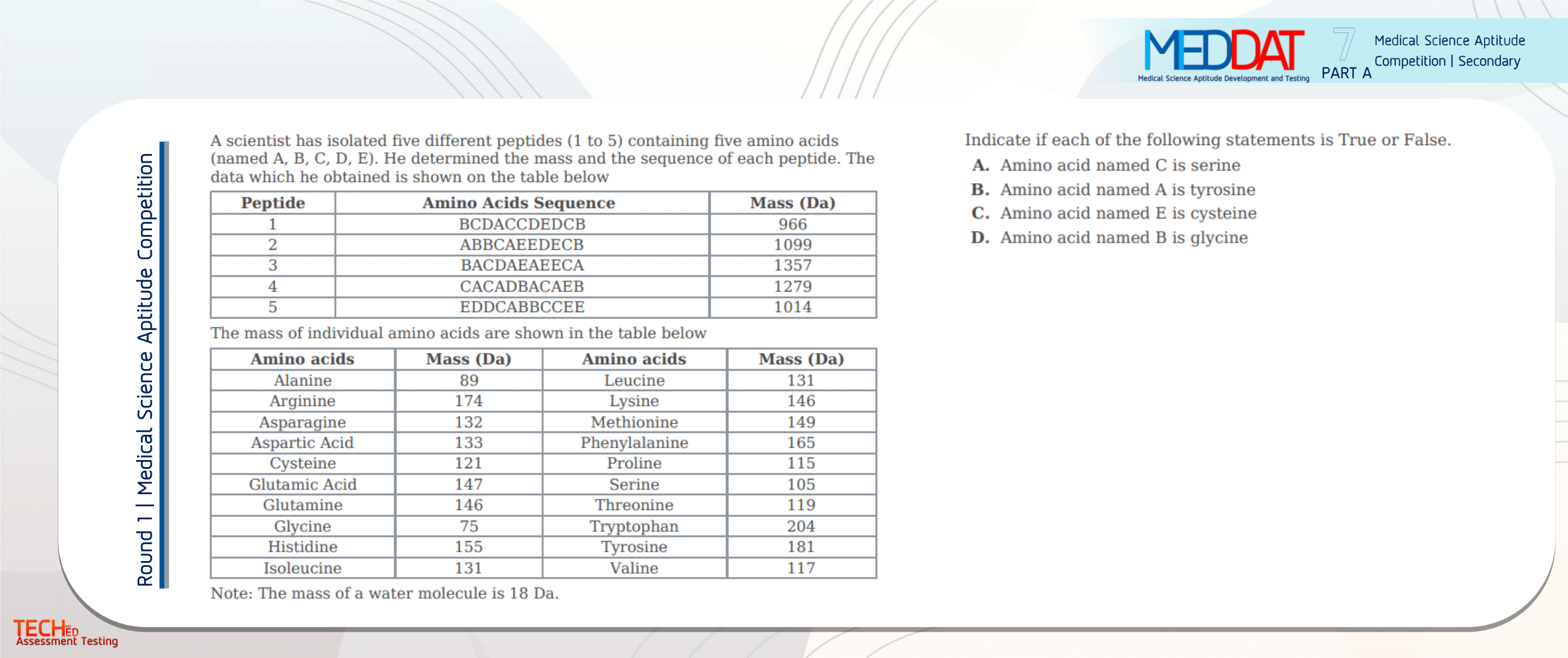
The entry of SARS-CoV-2 depends upon the binding of its spike protein to the cell surface receptor. The spike proteins of SARS-CoV-2 are 1273 amino acids long and structurally consists of two domains- the N-terminal S1 domain for binding to the cellular receptor and C-terminal S2 domain for fusion with the cell membrane [20]. The S1 subunit (aa 14-685) encompasses an N-terminal domain (aa 14-305) and a receptor-binding domain (RBD) (aa 319-541) [21], [22]. The RBD consists of core and external sub-domains responsible for forming trimer particle and for interaction with the receptor, respectively [23], [24]. The S2 sub-domain encompasses Heptad repeat 1 (HR1), Heptad repeat 2 (HR2), Fusion peptide (FP), and transmembrane domain. After binding of the S1 domain of spike protein to the host receptor, conformational changes take place in the S2 domain. The heptad repeat domains, HR1 and HR2, interact with themselves to form a six-helix bundle fusion core bringing about the close association of cellular and viral membranes for fusion [22]. Xia et al. designed novel peptides based on the HR1 and HR2 domains as fusion inhibitors [22] similar to the approach that was undertaken against SARS-CoV and MERS-CoV [25], [26], [27]. The two peptides designed were designated as 2019-nCoV-HR1P and 2019-nCoV-HR2P. 2019-nCoV-HR2P was shown to potently inhibit fusion in 2019-nCoV spike mediated cell-cell fusion assay with a half-maximal inhibitory concentration (IC50) value of 0.18 µM. EK1, reported previously as a pan CoV fusion inhibitor targeting the HR1 domain [27], also showed potent fusion inhibition (IC50 = 0.19 µM). Furthermore, 2019-nCoV-HR2P and EK1 were also found to effectively inhibit 2019-nCoV pseudovirus infection in 293 T cells with IC50 values of 0.98 µM and 2.38 µM, respectively (Fig. 4 ).
|
https://www.ncbi.nlm.nih.gov/pmc/articles/PMC7476961/
|
7 |
-.50
-.25
+.25
เต็ม
0
-35%
+30%
+35%
|
| 11 |
|
A is True
B is False
C is False
D is True |
|
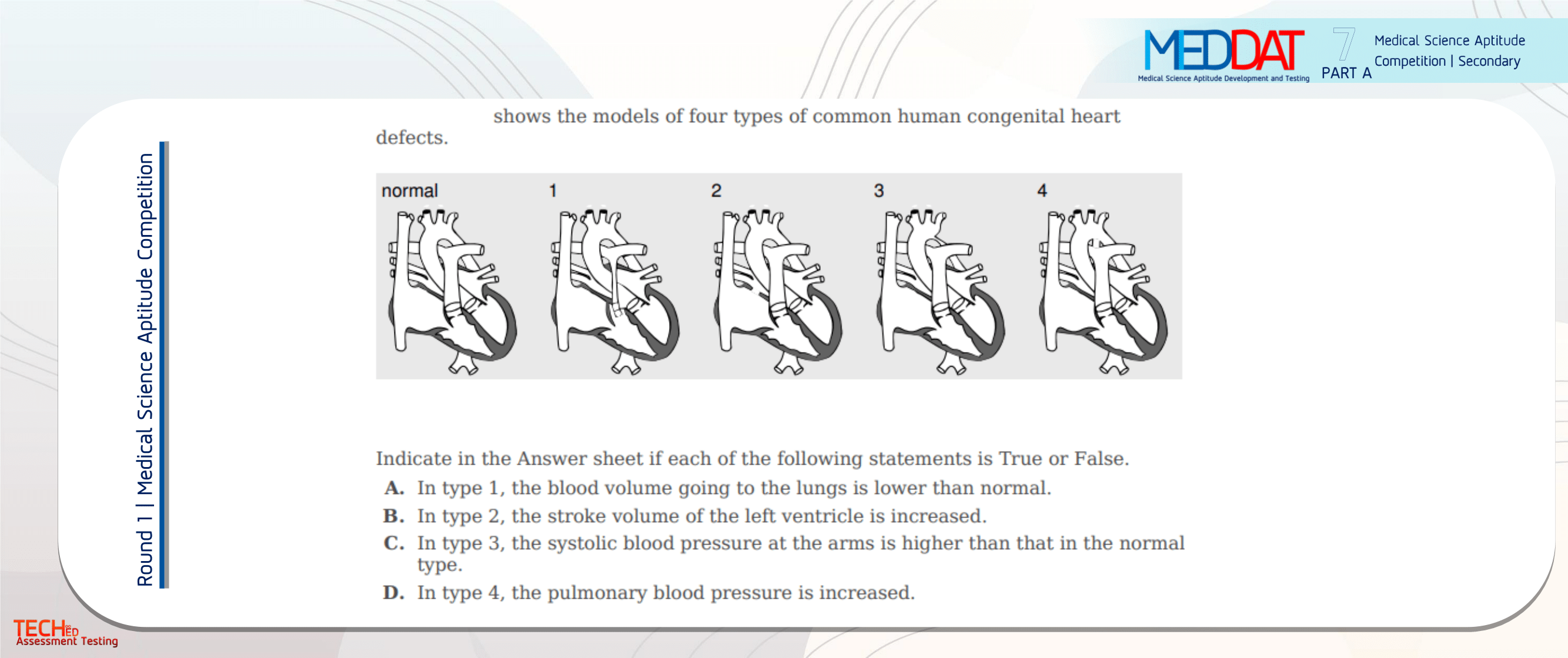
Coronary and left atrial EAT are involved in the pathogenesis of coronary artery disease and atrial fibrillation, respectively, and it also contributes to the development and progression of heart failure.
|
https://www.nature.com/articles/s41569-022-00679-9
|
7 |
-.50
-.25
+.25
เต็ม
0
-35%
+30%
+35%
|
| 12 |
|
A is True
B is False
C isTrue
D is True |
|
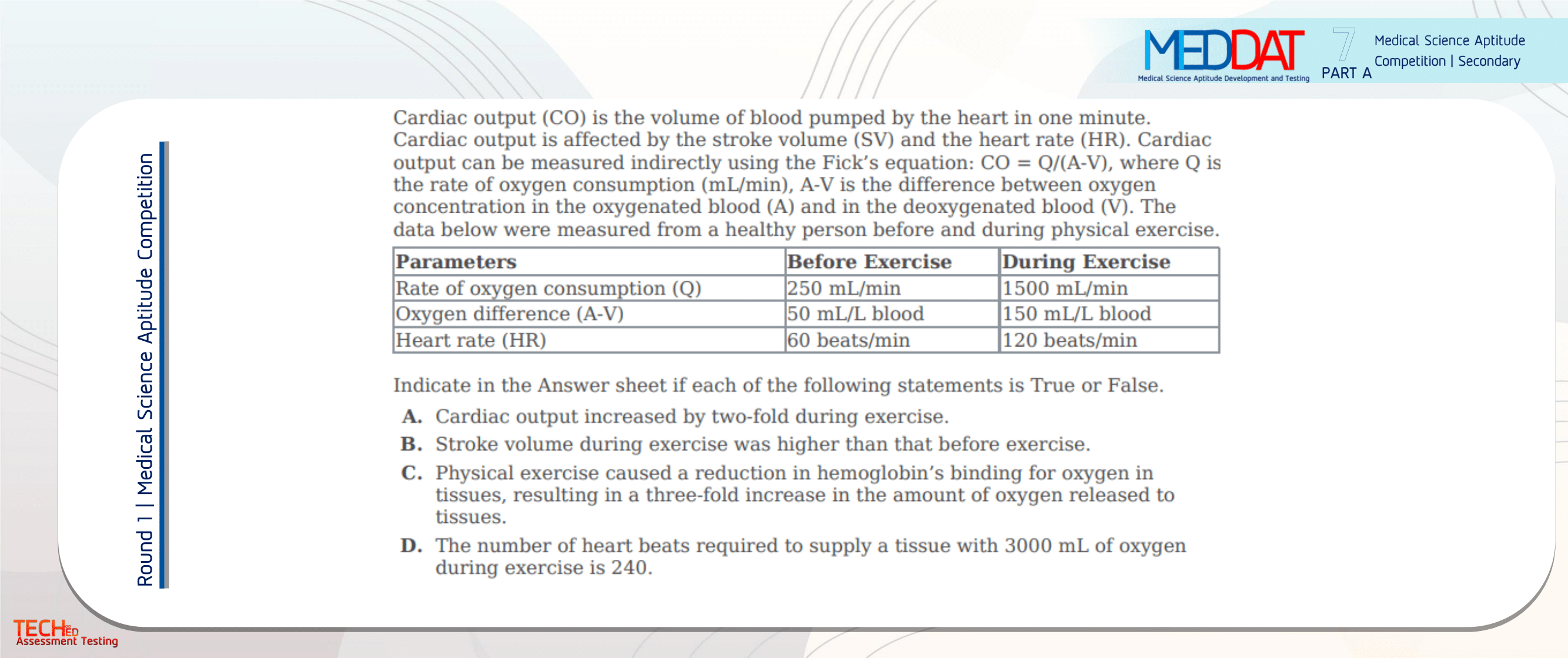
A cardiovascular risk factor consistently found associated with road noise is metabolic disease. A 2019 meta-analysis found a RR of 1.11 (1.08–1.15) per 10 dB higher road noise for incident diabetes based on five high-quality longitudinal studies.46 In support of noise as an important metabolic risk factor, several studies have found road noise associated with adiposity markers and obesity.47–50 Of note, results demonstrating that central obesity and waist circumference are associated with noise are more consistent than results on body mass index, which perfectly agrees with the concept that noise increases cortisol (stress hormone), which is known to cause mainly central obesity.
|
https://academic.oup.com/cardiovascres/article/118/14/2880/6381568
|
7 |
-.50
-.25
+.25
เต็ม
0
-35%
+30%
+35%
|
| 13 |
|
A is True
B is True
C is True
D is False |
|
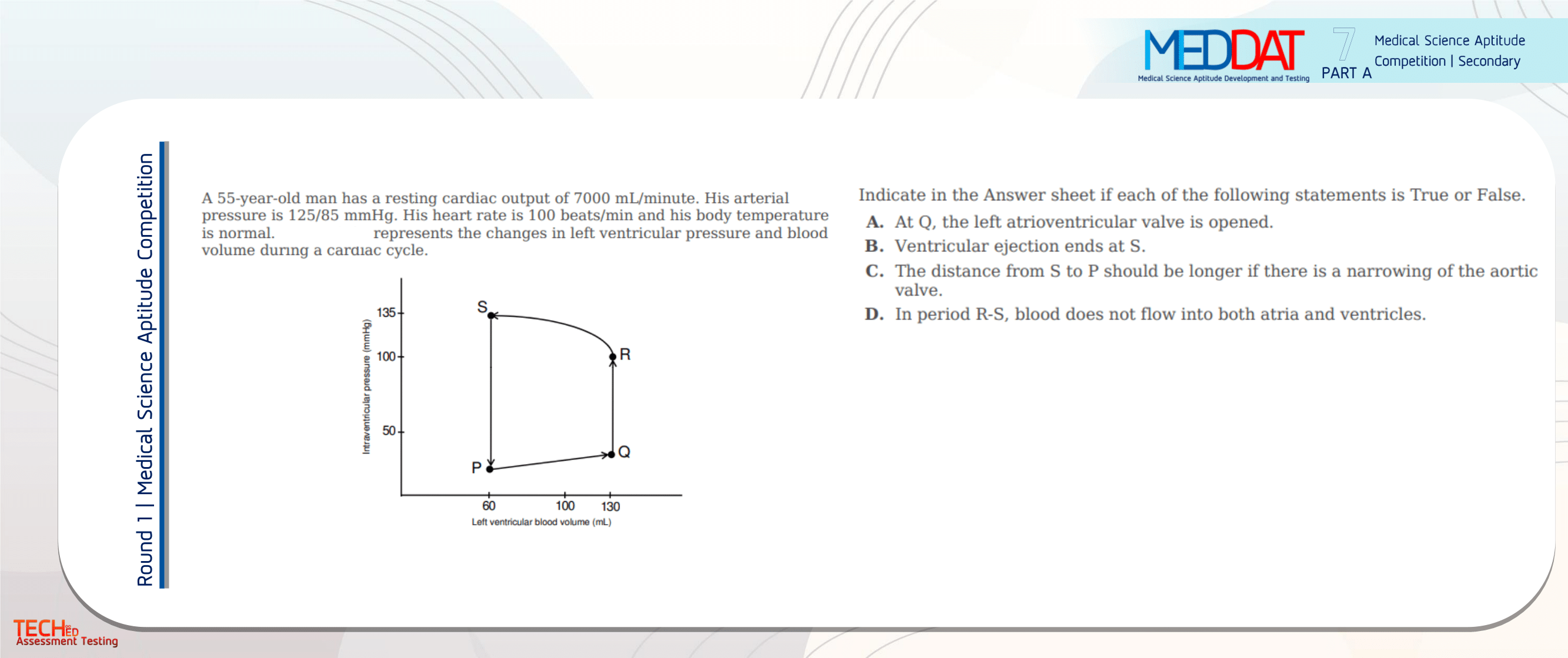
3.4.1. Effect of TPP Concentration The aspirin encapsulation efficiency from 37% to 90% was significantly affected by the TPP concentration in Figure 4, and the higher the concentration is, the higher the encapsulation efficiency is. Also, the loading capacity increased from 13% to 50% in general by increasing the TPP concentration from 2.5 to 5.0 mg/mL in Figure 5. The result indicated that the drug loading capacity of CS-NPs increased with increasing TPP concentration
|
https://www.ncbi.nlm.nih.gov/pmc/articles/PMC4058851/
|
7 |
-.50
-.25
+.25
เต็ม
0
-35%
+30%
+35%
|
| 14 |
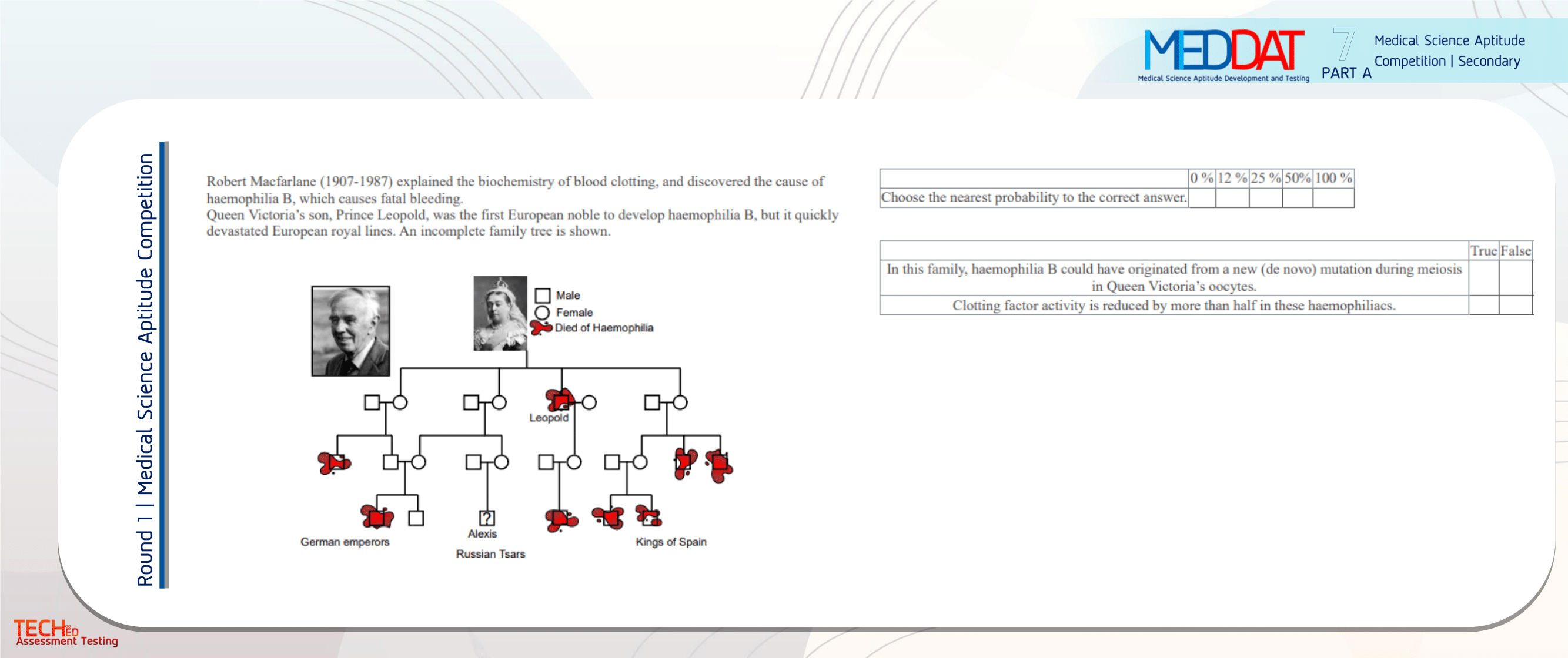
|
25 %
True
False |
|
Various mechanisms (red) have been postulated to contribute to increased infectious susceptibility in subjects with obesity, including alterations in respiratory mechanics and vitamin D deficiency and some cofactors (green) as alterations in homoeostasis of the skin and subcutaneous tissue, impairment of both innate and adaptive immune responses, the presence of obesity-related comorbidities and limitations relating to antimicrobial therapy.
|
https://www.nature.com/articles/s41366-021-01035-6/
|
7 |
-.50
-.25
+.25
เต็ม
0
-35%
+30%
+35%
|
| 15 |
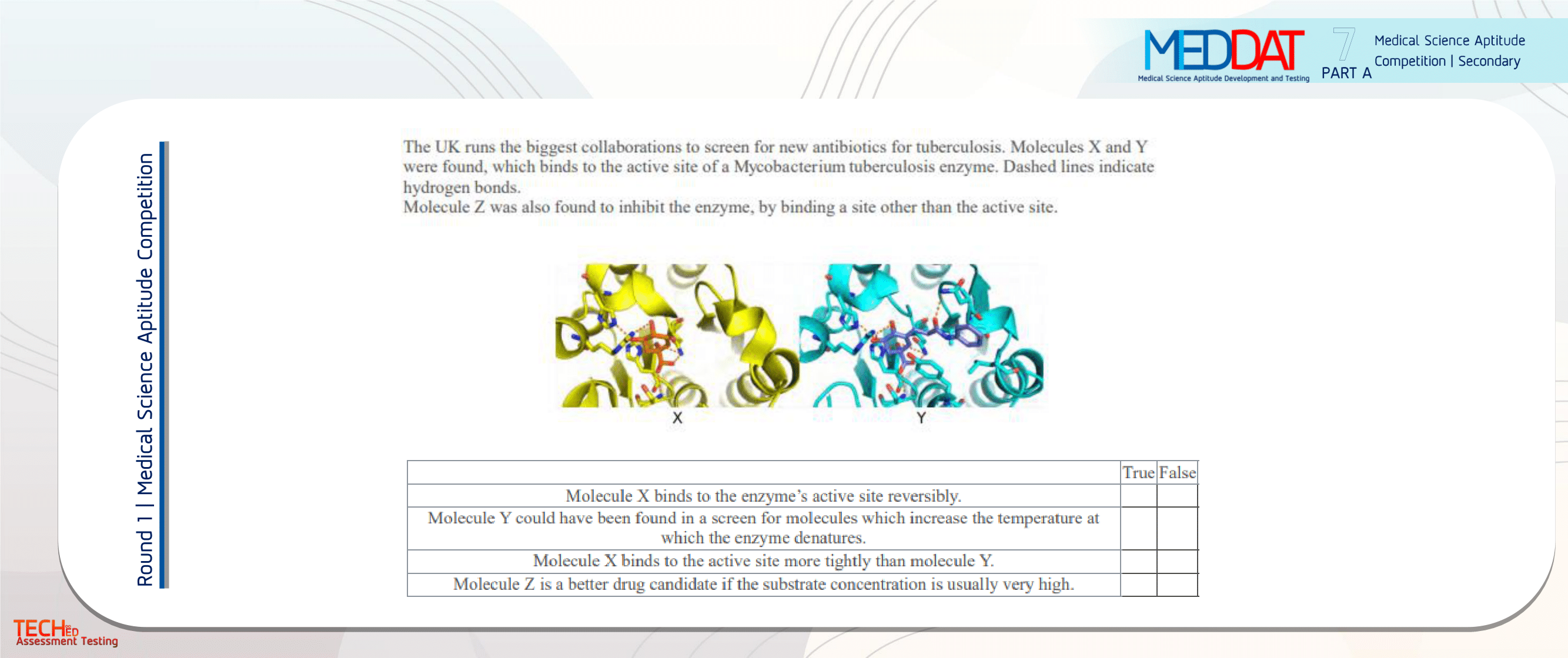
|
A is True
B is True
C is True
D is False |
|
The improvement in outcomes provided by the addition of pembrolizumab to chemotherapy represents a landmark point for the treatment of early-stage TNBC. As for every major scientific advancement, these results raise a multitude of important questions, and a new set of prospective clinical trials will be required in the next decade to optimally tailor the administration of immunotherapy. This should be accompanied by a strong commitment in biomarker discovery and extensive effort devoted to the mitigation of both immune-related and financial toxicities, in order to achieve the safest possible implementation of immunotherapy for patients with a diagnosis of TNBC.
|
https://www.nature.com/articles/s41523-022-00386-1
|
7 |
-.50
-.25
+.25
เต็ม
0
-35%
+30%
+35%
|
| 16 |
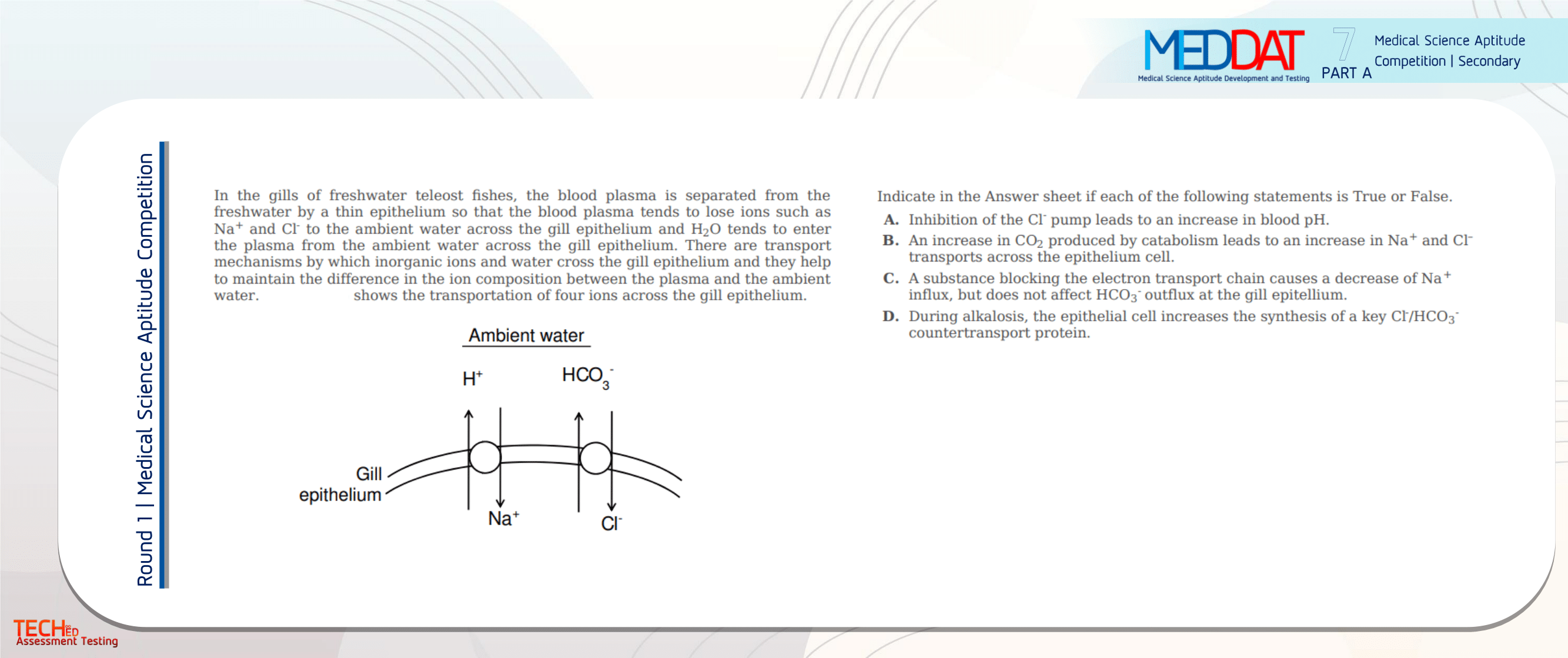
|
A is True
B is True
C is False
D is False |
|
Camostat As previously mentioned, SARS-CoV-2 also uses the ACE-2 receptor for its attachment and TMPRSS2 for S-protein priming [33]. Camostat, a serine protease inhibitor that has been approved in Japan for the treatment of pancreatitis, was shown to block the cellular entry of SARS-CoV-2 by inhibiting TMPRSS2 [33]. Having already established its safety profile, camostat might prove to be a valuable drug in the arsenal, which can be repurposed to combat COVID-19. Camostat is currently under clinical trials (NCT04338906, NCT04321096) to prove its efficacy for the treatment of COVID-19.
|
https://www.ncbi.nlm.nih.gov/pmc/articles/PMC7476961/
|
7 |
-.50
-.25
+.25
เต็ม
0
-35%
+30%
+35%
|
| 17 |
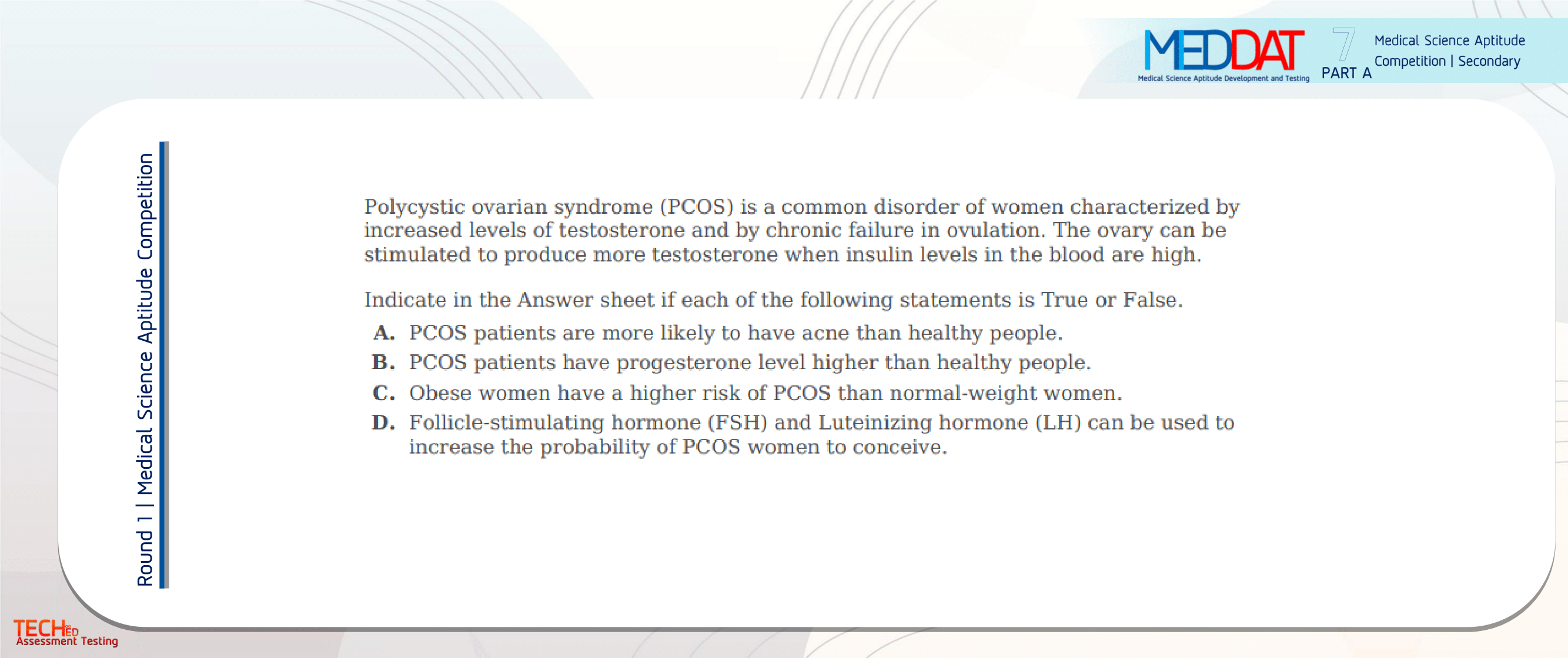
|
A is True
B is True
C is True
D is False |
|
The aspirin in vitro release behavior of chitosan is shown in Figures Figures88--9.9. All release behavior lasted for more than 12 hours. It indicated that the CS-NPs showed a good performance of drug controlled release. Furthermore, all release profiles of the nanoparticles exhibit a small burst release in the first 1 h and then slow release at constant but different rate. The results suggest that it is possible to control the release rate of aspirin by adjusting the concentration of aspirin and molecular parameters of chitosan. In contrast, microsphere-based drug delivery system may have a higher percentage of burst release; therefore higher dosage is generally needed [35].
|
https://www.ncbi.nlm.nih.gov/pmc/articles/PMC4058851/
|
7 |
-.50
-.25
+.25
เต็ม
0
-35%
+30%
+35%
|
| 18 |
|
A is True
B is False
C is True
D is False |
|
In this study, eleven new 3- and 7-positions modified scopoletin derivatives (18a-k) were designed, synthesized, and biologically evaluated against human breast cancer cell lines. Most compounds showed improved antiproliferative activity against MCF-7 and MDA-MB-231 cells and weaker cytotoxicity on human breast epithelial cell line MCF-10A than lead compound 5. Among them, compound 18e exhibited the most potent antiproliferative activity against MCF-7 cells (IC50 = 0.37 ± 0.05 μM). Particularly, 18e produced the highest levels of nitric oxide (NO) intracellularly, and its antiproliferation effect was attenuated by hemoglobin (an NO scavenger). Further pharmacological research showed that 18e blocked the cell cycle at the G2/M phase, downregulated the phosphorylation of PI3K and Akt in MCF-7 cells and regulated the expressions of the apoptosis proteins to induce apoptosis. Moreover, 18e inhibited the growth of MCF-7 in vivo. Overall, 18e is a novel anticancer agent with the abilities of high concentration of NO releasing and the inhibition of PI3K/Akt signaling pathway, and may be a promising agent against MCF-7 human breast cancer.
|
https://www.sciencedirect.com/science/article/abs/pii/S022352342100550X
|
7 |
-.50
-.25
+.25
เต็ม
0
-35%
+30%
+35%
|
| 19 |
|
A is True
B is False
C is False
D is False |
|
The transmission electron photomicrographs of aspirin loaded CS-NPs are illustrated in Figure 3. The results revealed that the morphology of the prepared NPs were spherical in shape with a smooth surface. But the particle size is not symmetrical in distribution, and some conglutination and congregation of NPs were found. Figure 3 shows that the particle size of CS-NPs was different with both concentrations of aspirin and TPP. Photos (a), (b), and (c) in Figure 3 show the morphology of NPs, which were prepared with the same TPP and different aspirin concentrations. It was found that the particle size decreased slightly with increasing aspirin concentration. The same phenomenon was found in photos (d), (e), and (f). It revealed that the concentration of aspirin has little influence on particle size of CS-NPs. By comparing photos (a) and (d), (b) and (e), and (c) and (f), it was observed that the particle size increased greatly with increasing TPP and constant aspirin concentration. It proved that the TPP concentration has great influence on particle size of CS-NPs.
|
https://www.ncbi.nlm.nih.gov/pmc/articles/PMC4058851/
|
7 |
-.50
-.25
+.25
เต็ม
0
-35%
+30%
+35%
|
| 20 |
|
A is False
B is False
C is True
D is True |
|
The DSC thermograms of aspirin and aspirin loaded CS-NPs with different TPP concentrations are shown in Figure 2. The melting peak of pure aspirin (Figure 2(a)) occurred at 139°C. A melting peak of aspirin loaded CS-NPs with 2.5 mg/mL TPP (Figure 2(b)) was found at 139°C which is due to the physical connection between aspirin and CS-NPs, and some little peaks were found during 150–160°C, which was probably due to the chemical connection between aspirin and CS-NPs. The thermogram of aspirin loaded CS-NPs with 3.0 mg/mL TPP (Figure 2(c)) showed some little peaks during 150–160°C and the melting peak of aspirin at 139°C was not present, confirming the aspirin in CS-NPs at a molecular level with 3.0 mg/mL TPP. A thermogram of aspirin loaded CS-NPs with 4.0 mg/mL TPP (Figure 2(d)) showed a clear melting peak at 139°C which is almost the same with Figure 2(b) and the little peaks during 150–160°C disappeared, indicating the physical connection between aspirin and CS-NPs.
|
https://www.sciencedirect.com/science/article/abs/pii/S022352342100550X
|
7 |
-.50
-.25
+.25
เต็ม
0
-35%
+30%
+35%
|